

Dry shampoo is a quick way to refresh your hair between washes, but overuse can affect scalp health. Knowing when and how to use it can help keep your hair looking its best.
Key Takeaways:
Dry shampoo absorbs oil but doesn’t actually clean your hair or scalp.
Too much dry shampoo can cause buildup, irritation, and hair breakage.
Overuse may contribute to shedding and poor scalp health over time.
Limit use to once or twice a week and wash regularly with traditional shampoo.
Dry shampoo can be a lifesaver when you’re short on time. It helps make your hair look clean and fresh without shampoo and water, especially after a workout or a busy morning. But while it’s great for quick fixes, many people wonder, can dry shampoo cause hair loss if you use it too often?
Let’s examine how it works, its effects on your scalp and hair, and how to use it safely for healthy hair.
What Is Dry Shampoo?
Let’s start with the basics. What exactly is dry shampoo?
Dry shampoo isn’t actually shampoo. It’s a water-free product that helps absorb oil and sweat from the scalp. Dry shampoos contain ingredients like cornstarch, rice starch, alcohol, and sometimes clay, which soak up excess oil and help your hair look clean between washes.
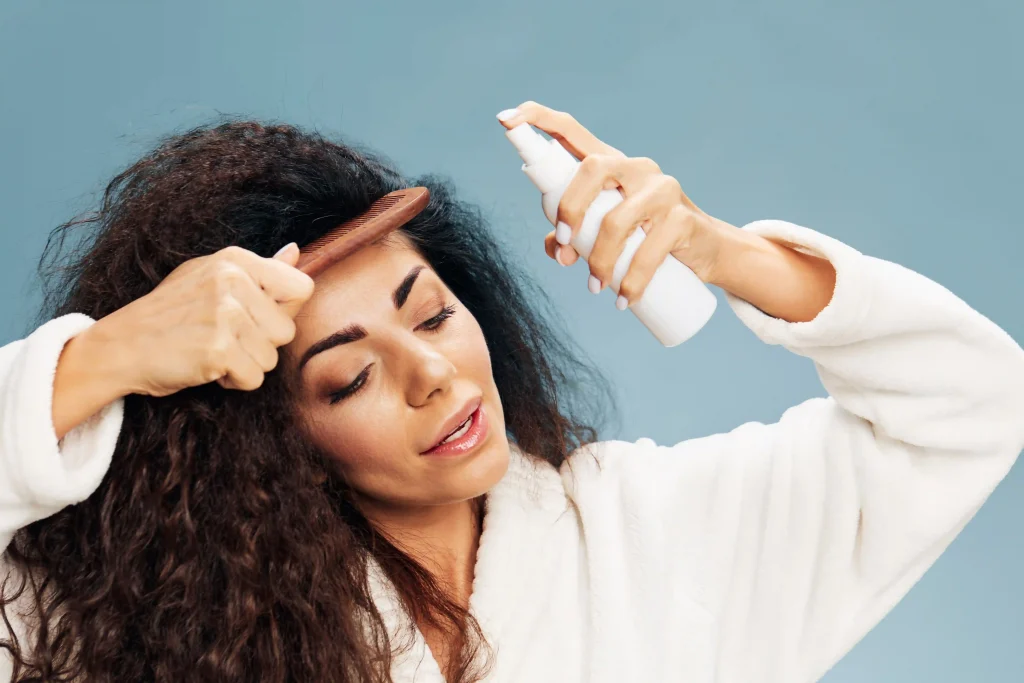
Dry shampoo comes in both powder and aerosol forms. Spray-dry shampoos are the most common; you apply them by holding the can a few inches from your scalp, spraying lightly, then brushing out your hair to remove any buildup.
Throughout history, people have used similar oil-absorbing products. In the 1400s, wet clay was used to clean hair. Later, starch-based powders became popular for wigs and hair care. By the 1930s, dry shampoo had become a commercial product and has remained popular ever since.
Today, many dry shampoos contain ingredients that help keep your hair looking fresh, but they don’t actually clean your hair like traditional shampoo.
How Does Dry Shampoo Work?
The way dry shampoo works is simple. The starch or alcohol in the formula absorbs oil, sweat, and odor from your scalp and hair. This gives your hair a cleaner, fresher look without having to wash your hair.
But remember, hair growth stages and using dry shampoo, which isn’t a true shampoo, can affect your hair. Unlike regular shampoo and water, it doesn’t remove oil, dirt, or dead skin cells. Instead, it just covers them up. When you use dry shampoo too often, scalp buildup can block hair follicles, possibly leading to hair loss or irritation.
Dry shampoo stays on your scalp until you clean your hair properly with regular shampoo. So, it’s best used as an occasional refresh, not a daily routine.
What’s the Difference Between Dry Shampoo and Washing Your Hair?
Dry shampoo can make your hair look clean, but it doesn’t truly wash it. Traditional shampoo cleans with surfactants; ingredients that mix oil and water to remove dirt and oil from your scalp. When you wash your hair with water, these surfactants rinse away residue, leaving you with clean hair.
On the other hand, dry shampoo that’s sprayed or sprinkled onto your hair only absorbs oil. It doesn’t rinse away anything. The powder or alcohol binds to oil and stays there until you use regular shampoo and water to remove it.
If you skip washing too often and rely on dry shampoo, you might notice poor scalp health, irritation, or even hair breakage. Too much buildup can block follicles and slow down hair growth.
Are There Risks To Using Dry Shampoo Too Much?
It’s safe to use dry shampoo occasionally, but overuse can harm your scalp and hair.
When you use it too often, you may experience:
- Buildup on the scalp
- Clogged follicles that slow hair growth
- Hair breakage and hair shedding
- Scalp irritation or infection
- A chalky or greasy feel
These issues happen because dry shampoo stays on your scalp and traps oil, dirt, and dead skin. This buildup can cause scalp irritation, weaken the hair follicle, and even contribute to hair loss over time.
If you’re already dealing with thinning or oily hair, dry shampoo can cause your scalp to become even more sensitive. Dry shampoo can also clump your strands together, which makes tangles worse and can pull hairs out when you brush.
So, while it’s a great way to keep your hair looking fresh, using it too often can lead to hair problems down the road.
Can Dry Shampoo Lead to Hair Loss?
Research doesn’t show that dry shampoo can directly cause hair loss, but overuse can definitely contribute. The ingredients in dry shampoo, especially alcohol, can dry out your skin and hair, leading to hair breakage and hair shedding.
When you have too much buildup on the scalp, your hair follicles can get blocked. This means less oxygen and nutrients reach the scalp, slowing hair growth and potentially causing hair loss.
If you notice increased shedding, itching, or redness, it might be time to give your scalp a break and wash your hair with regular shampoo to restore balance.
Can Other Hair Products Cause Hair Loss?
Not just dry shampoo, other hair products can also affect the health of the hair and scalp.
- Shampoo and conditioner: Safe to use but choose gentle formulas. A shampoo that contains harsh chemicals can cause dryness or irritation.
- Styling products: Hairsprays, pomades, and gels can create buildup and cause scalp issues if not washed out.
- Clarifying shampoo: Great for removing residue but using it two days in a row can make your hair and scalp too dry.
If you notice your hair feels dry or brittle, switch to mild formulas and wash your hair with regular shampoo often enough to keep your scalp health balanced.
Dry shampoo isn’t bad on its own; it’s how you use dry shampoo that matters.
How Often Should You Use Dry Shampoo?
To keep your hair and scalp health in check, try not to use dry shampoo more than once or twice a week. It’s great for keeping hair between washes, but too much can lead to buildup and poor scalp health.
If you have thin or oily hair, it’s especially important to clean your hair regularly. People who wash their hair every few days with traditional shampoo or a gentle clarifying shampoo will have healthier follicles and less risk of resulting in hair loss.
Dry shampoo gives your hair a quick refresh, but nothing replaces a good wash with regular shampoo and water. It’s the best way to keep your hair and scalp clean and support hair growth.
HairClub Solutions for Thinning Hair and Hair Loss
If you’re noticing more shedding, scalp changes, or visible thinning, it may be time to look beyond your hair care routine. HairClub offers several solutions designed for different types and stages of hair loss.
For those in the early stages of thinning, HairClub RX™ provides a personalized, DNA6-driven approach that may include a custom compounded prescription9, supportive supplements, premium hair care products, in-center hair and scalp therapeutic sessions, and progress tracking with a HairClub Certified Hair Loss Specialist.
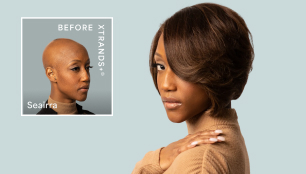
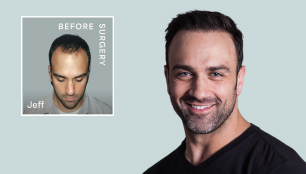
HairClub also offers solutions such as Xtrands+® for added fullness and density and customized hair replacement options for more pronounced hair loss. During a complimentary consultation, a HairClub specialist can help determine which solution best fits your hair, scalp, goals, and stage of hair loss.
FAQs About Dry Shampoo and Hair Loss
Can dry shampoo cause hair loss?
Dry shampoo does not directly cause hair loss, but using it too often can contribute to scalp buildup, irritation, clogged follicles, and hair breakage. Over time, these issues may make shedding or thinning appear worse, especially if your scalp is not being cleaned regularly with traditional shampoo and water.
How often should you use dry shampoo?
Most people should limit dry shampoo use to once or twice a week. It can be helpful between washes, but it should not replace regular shampooing. Washing your hair properly helps remove oil, sweat, product buildup, and dead skin cells that dry shampoo cannot rinse away.
Is dry shampoo bad for thinning hair?
Dry shampoo is not always bad for thinning hair, but people with thinning hair or sensitive scalps should use it carefully. Too much dry shampoo can make the scalp feel irritated or create buildup around the follicles, which may affect scalp health and make hair look flatter or more fragile.
What should I do if I notice hair shedding after using dry shampoo?
If you notice more shedding, itching, redness, or scalp discomfort after using dry shampoo, stop using it for a while and wash your hair with a gentle traditional shampoo. If shedding continues, it may be a sign of an underlying hair loss condition, and a consultation with a HairClub hair loss specialist can help you understand your options.
What hair loss solutions does HairClub offer?
HairClub offers several solutions for different stages of hair loss, including HairClub RX, Xtrands+, and customized hair replacement options. A complimentary consultation can help determine which solution is best for your stage of hair loss and hair loss goals.
Should You Still Use Dry Shampoo?
Dry shampoo is typically safe when used the right way. It’s perfect for camping trips, busy mornings, or when you want to protect your hair color and type from over-washing.
But, if you already have thinning hair or a sensitive scalp, it’s better to limit your use or talk to a hair specialist about safer hair care options.
The bottom line: Dry shampoo can make your hair look clean and refreshed, but using dry shampoo too often can lead to hair loss or irritation. Balance is key.
If you’re noticing thinning or other causes of hair loss, HairClub can help. We’ve helped clients for 50 years with proven solutions that restore confidence and healthy hair.
Book a complimentary consultation with HairClub to find the right solution for your hair and scalp.