
Key Takeaways:
Hashimoto’s disease is the leading cause of hypothyroidism and primarily affects middle-aged women.
Symptoms can be subtle and include hair loss, fatigue, weight gain, and sensitivity to cold.
Hair loss from Hashimoto’s is diffuse and linked to thyroid hormone disruption in the hair growth cycle.
Diagnosis involves blood tests, and treatment includes hormone replacement therapy along with lifestyle changes to support thyroid and hair health.
Named for the Japanese surgeon who discovered the condition in 1912, Hashimoto’s disease is an autoimmune disorder that causes the immune system to mistakenly attack healthy cells. The disease progresses slowly, and symptoms can go undetected for years.
What Is Hashimoto's Disease?
Hashimoto’s disease (chronic lymphocytic thyroiditis) affects the thyroid gland, located at the front of the neck near the base. The thyroid is part of the endocrine system, which produces hormones that control many bodily functions — including hair growth. Although the disease can strike anyone at any age, women are affected at a much higher rate, particularly in middle age. Hashimoto’s disease is the leading cause of an underactive thyroid (hypothyroidism).
Symptoms of Hashimoto's Disease
Symptoms vary by individual and may begin with a swelling of the throat. Other symptoms include:
- Fatigue and low energy
- Constipation
- Heightened sensitivity to cold
- Sudden weight gain
- Memory lapses
- Brittle nails
- Hair loss
Hashimoto's and Hair Loss
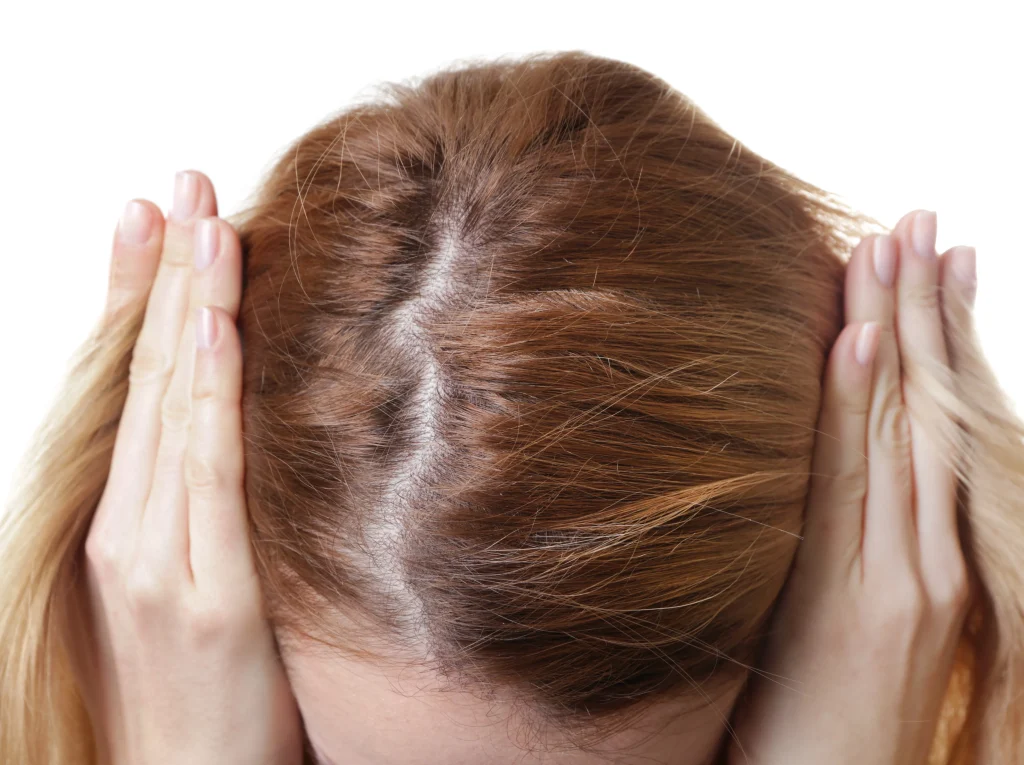
Hair loss caused by Hashimoto’s disease is diffuse — meaning hair sheds all over the scalp rather than developing bare patches or bald spots. This occurs because the thyroid hormone imbalance disrupts the normal hair growth cycle, pushing more hair follicles prematurely into the resting phase.
Diagnosis and Treatment
If you suspect you have a thyroid disorder, talk to your doctor about your symptoms. A physical examination and blood tests to measure thyroid levels can confirm the diagnosis. Once diagnosed, treatment may include regular observation by a physician and daily hormone replacement therapy medication. With proper treatment, thyroid levels can stabilize and hair loss may improve.
Lifestyle Changes That Can Help
In addition to medical treatment, certain lifestyle changes can have a positive impact on your condition and hair health. These include maintaining a balanced diet rich in nutrients that support thyroid function and hair growth, managing stress, getting regular exercise, and avoiding foods that may trigger inflammation.
Getting Additional Hair Loss Support
Even after thyroid levels are treated, some hair loss may persist. HairClub offers a range of non-surgical and surgical hair restoration options that can help address ongoing hair loss for those living with Hashimoto’s disease.
Book your complimentary hair analysis today and start your journey toward healthy hair growth with HairClub’s trusted specialists.