

When it comes to hair growth, most people turn to shampoos or masks, hoping for quick fixes. But the real secret to healthy hair starts inside your body. The vitamins and supplements you take and the food you eat play a major role in making your hair feel thicker, stronger, and shinier.
At HairClub, we’ve spent decades helping people understand how vitamins and minerals affect hair health. If you’ve been noticing thinning hair, hair shedding, or slow growth, this guide breaks down the best vitamins for hair growth, how they work, and when to seek extra help.
Best Vitamins for Hair Growth
The body needs the right mix of key vitamins and minerals to keep your hair follicles active and healthy. Here’s how certain vitamins and minerals can help with hair growth and prevent hair loss.
Biotin (Vitamin B7)
Biotin is one of the most popular hair growth supplements for a reason. It helps make keratin, a key protein that builds hair and nails. Without enough biotin, you might experience brittle hair, weak nails, or dull skin.
People with a biotin deficiency often notice improvement after taking biotin supplements or gummies, which can support hair growth and help hair appear stronger. Foods rich in biotin include eggs, salmon, and sunflower seeds.
Vitamin D
Low vitamin D levels are a common cause of hair loss, especially among people with alopecia areata or pattern hair loss. Vitamin D helps create new hair follicles and supports the hair growth cycle.
Getting sunlight for 10–15 minutes a day or eating fatty fish, dairy, and eggs can help raise vitamin D levels. If you’re still low, your doctor might suggest a health supplement to promote healthy hair growth and reduce hair shedding.
Vitamin E
Vitamin E is an antioxidant that protects cells from damage and increases blood flow to the scalp. This added circulation can promote hair growth and help nourish your hair follicles.
According to the National Institutes of Health, adding vitamin E to your routine can benefit those with alopecia or thinning hair. You can find vitamin E in foods like almonds, spinach, and avocado.
Vitamin C
Vitamin C is another important hair growth vitamin. It helps your body absorb iron and boosts collagen, the protein that gives structure to your hair and skin.
If you don’t get enough vitamin C, your hair might grow more slowly or look dull. Eating oranges, strawberries, or bell peppers can help improve hair growth and make a visible difference in your hair over time.
Folic Acid (Vitamin B9)
This B vitamin helps your body produce new cells and healthy red blood cells. These cells carry oxygen and nutrients to your hair follicles. Without enough folic acid, your strands can become thinner, weaker, and more prone to hair loss.
Many prenatal vitamins contain folic acid since it’s good for skin and hair health. Adding folate-rich foods like beans, leafy greens, and citrus can naturally support hair growth.
Vitamin A
Vitamin A is essential for healthy hair, skin, and vision. It helps your scalp produce sebum – the natural oil that keeps your hair and skin hydrated. But too much vitamin A can actually cause hair loss, so it’s best to get it from foods like carrots, sweet potatoes, and spinach rather than over-supplementing.
Essential Minerals for Hair Vitality
Vitamins aren’t the only thing your hair needs. Minerals help nourish your scalp, strengthen strands, and support hair growth from root to tip.
Zinc
Zinc plays a big role in repairing tissue and growing cells, including the cells in your hair follicles. A lack of zinc can lead to hair thinning or even alopecia.
Eating zinc-rich foods such as pumpkin seeds, lentils, and meat or taking a supplement can help increase hair thickness and make your strands stronger.
Iron
Iron helps transport oxygen to your hair follicles, keeping them active. Without enough iron, you might notice forms of hair loss like female pattern hair loss or slow regrowth.
If you’re tired, pale, or have hair shedding, it may point to an iron deficiency. Adding spinach, lean meat, or iron-fortified cereal to your diet can make a big difference in your hair and overall health.
How Diet Impacts Hair Health
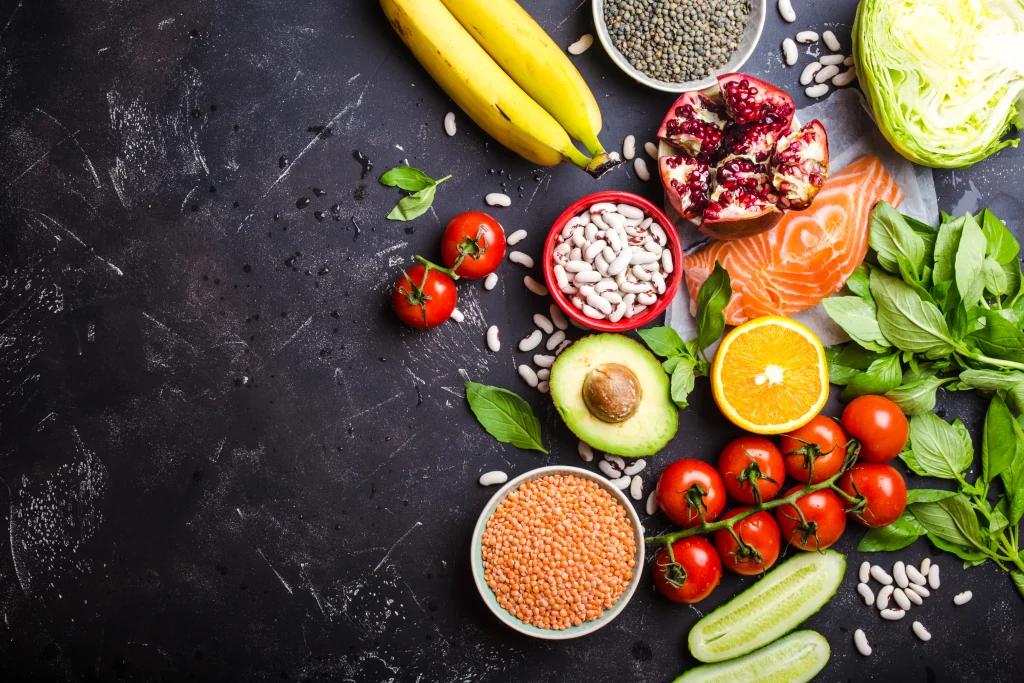
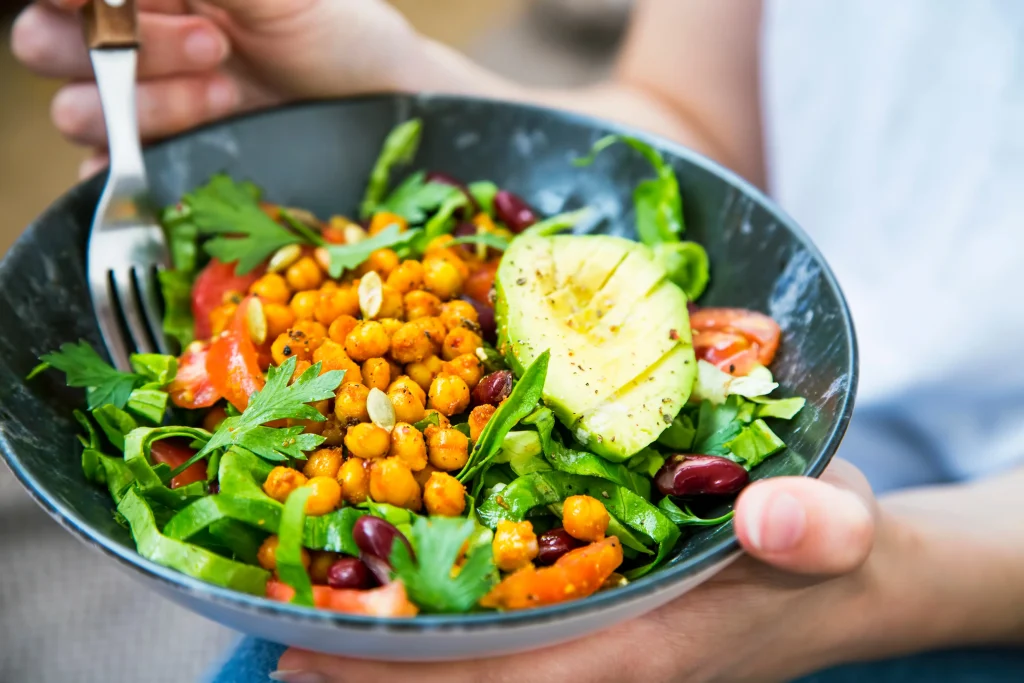
A lack of proper nutrients in your diet can negatively impact hair growth and structure. Eating a well-balanced diet can provide you with most of the vitamins and minerals you need for healthy hair.
To promote better hair health, try to:
- Prioritize fruits and vegetables
- Eat superfoods like blueberries, kale, chia seeds, and more
- Switch to whole grains
- Drink fat-free or low-fat milk
- Limit your intake of sodium, saturated and trans fats, cholesterol, and sugar
- Eat omega-3 fatty acids through fatty fish, walnuts, and oils
Lifestyle Choices for Optimal Hair Health
The foods you put in your body aren’t the only way to improve your hair health. Clinical studies show that your lifestyle choices can also play a role in thinning hair or hair loss.
Stress
Studies show that periods of acute or chronic stress can lead to increased hair loss.
To manage everyday stress, here are a few activities you can incorporate into your routine:
- Moderate exercise
- Deep breathing or meditation
- Journaling
- Creative activities
- Aromatherapy
- Spending time outdoors
Hydration
Dehydration doesn’t directly cause hair loss. However, research shows that even mild dehydration can reduce blood flow to your skin, including your scalp. This could potentially affect hair growth.
Make sure you’re drinking the recommended 11.5 cups for women and 15.5 cups for men per day.
Exercise
While research on this topic is limited, exercise increases blood circulation and oxygen in cells, which can support hair growth. Regular exercise also reduces stress, another potential factor in hair loss.
According to the American Heart Association, adults should exercise at least 150 minutes per week for the best results.
Why Choose Vitamin and Supplement Support
Eating a balanced diet full of vitamins and minerals is the foundation of healthy hair growth. But for many people, diet alone isn’t enough. That’s where vitamins or supplements can help.
A good hair growth supplement can support and improve hair thickness and help prevent hair loss linked to deficiency. For best results, always choose high-quality vitamins or minerals and incorporate them as part of a daily routine.
Comparison Table: Best Vitamins/Minerals and Their Benefits
| Vitamin / Mineral | Main Benefit for Hair | Deficiency Effect |
|---|---|---|
| Biotin (B7) | Builds keratin, strengthens hair and nails | Brittle hair, weak nails |
| Vitamin D | Creates new hair follicles, improves the hair growth cycle | Hair loss, alopecia areata |
| Vitamin E | Improves scalp circulation, antioxidant protection | Slower growth, dry scalp |
| Vitamin C | Boosts collagen, supports skin and hair structure | Weak strands, hair shedding |
| Folic Acid (B9) | Grows new cells, improves hair thickness | Thin strands, brittle hair |
| Vitamin A | Helps sebum production, hydrates skin and hair | Dryness, hair loss |
| Zinc | Repairs tissue, strengthens follicles | Thinning hair, alopecia |
| Iron | Delivers oxygen to follicles | Pattern hair loss, fatigue |
When to Consider Alternatives
If your hair loss is severe or caused by genetics, vitamins and supplements may not be enough. Types of hair loss, such as alopecia areata, pattern hair loss, or scarring alopecia, often need professional care.
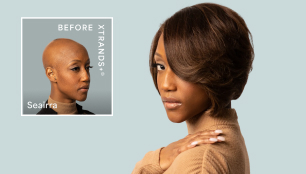
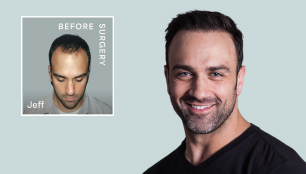
In these cases, advanced hair care options like non-surgical hair replacement or hair transplants may deliver better results. These approaches focus on addressing the cause of hair loss, not just the symptoms.
Why Choose HairClub
We combine expert care with nutrition-based support to help you achieve healthier hair and confidence. Our team of professionals understands that each type of hair loss is unique.
We start with a complimentary consultation to examine your hair and scalp, review your health condition, and create a personalized plan. From hair growth supplements to in-center solutions, we help you improve hair growth, restore balance, and achieve lasting results.
FAQs
1. Do vitamins really help hair growth?
Yes. Vitamins for hair growth give your body the nutrients needed to support and maintain strong, shiny strands.
2. What vitamin deficiency causes hair loss?
Common deficiencies include low vitamin D levels, biotin deficiency, or iron deficiency, all of which can cause hair loss or hair thinning.
3. How long before I notice results from supplements?
Most people see improvement in about three months. With consistent use, many say they notice a difference in their hair texture and strength.
4. Are supplements safe?
Most vitamins or supplements are safe, but it’s best to talk to a doctor or dermatology expert before starting any new health supplement, especially if you have an existing health condition.
5. Can HairClub help if vitamins don’t work?
Absolutely. We offer advanced hair loss solutions.
Good nutrition is the foundation of healthy hair growth, but sometimes your hair needs more support. If you’re dealing with thinning hair, alopecia, or other common causes of hair loss, the experts at HairClub can help.
Book your complimentary consultation today to discover how the right mix of vitamins and minerals, lifestyle habits, and professional care can bring back your confidence, and your healthier hair.