
From ancient civilizations to today’s modern hair solutions, hair has always been a powerful symbol of identity, beauty, status, and self-expression.
Key Takeaways:
- Hair has symbolized power, beauty, status, and individuality for thousands of years.
- Ancient cultures used early hair care techniques, wigs, dyes, and styling products long before modern salons existed.
- Hairstyles throughout history reflected changing trends, cultural values, and social movements.
- Today’s modern hair restoration solutions continue the long tradition of helping people look and feel their best.
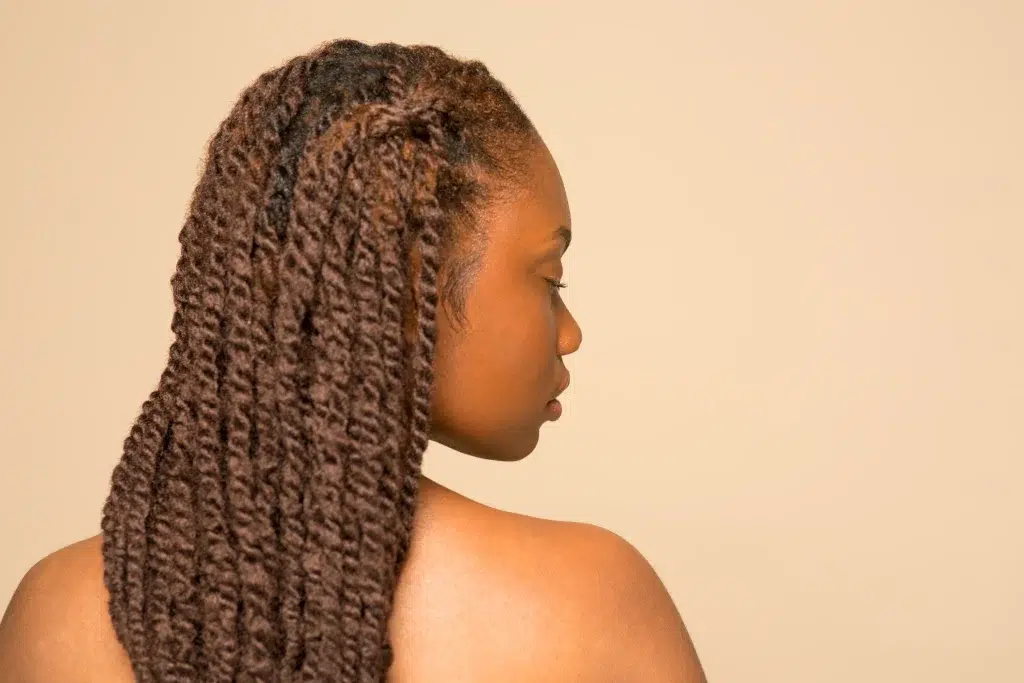
Throughout history, hair has been much more than what grows on top of the head. From royalty to everyday people, hair has been used to communicate identity, health, and status across every culture.
People used hairstyles, color, and hair care products to express who they were, and when hair loss happened, it often affected their confidence.
At HairClub, we understand that your hair is deeply tied to your sense of self. Let’s take a look at how hair trends have evolved over time, and how modern hair care helps people regain that same confidence today.
Hair in Ancient Egypt
In Ancient Egypt, women wore their hair long and decorated it with ribbons, flowers, and gold. Those with wealth often wore their hair in elaborate braids or false hair made from human hair.
Men wore their hair short or shaved their heads to stay cool under the sun, often using oils and fats as early hair products. Children had a single lock of hair called the Lock of Youth until puberty.
Some Egyptians even believed that hair carried spiritual power and used henna dye to cover grays or treat causes of hair thinning. These early remedies show how seriously hair was considered part of beauty and identity.
Hair in Ancient Greece and Rome
In Ancient Greece, people often viewed hair as sacred. Women generally wore their hair in braids or buns, decorating it with gold wreaths. They even used hair styling products like beeswax to make their hair shine.
Greek men, who allowed their hair to grow long, later preferred shorter hair for sports.
Roman hairstyles reflected wealth and rank; women’s hair was curled, pinned, and piled high, while men kept their hair short and neat.
In both cultures, hair was also used as a sign of maturity. Priests, soldiers, and widows would cover their hair or shave their heads to mark life changes; a tradition seen in some religions today.
Hair in the Renaissance and Victorian Eras
During the Renaissance, hairdressing became an art form. Women’s hairstyles grew taller and more fashionable thanks to wigs and hair styling products like starch and powder.
Queen Elizabeth’s red hair and curls inspired many to copy her look. Later, Victorian hair fashion added lace, jewels, and natural hair extensions for fullness.
Hair was often kept clean and styled with herbs, while men used wax to tame facial hair. By the 1800s, salons and barbershops became gathering places for grooming and gossip; a reflection of how hair and beauty connected communities.
Hair in the 18th Century and Beyond
In the 18th century, towering, powdered wigs were the ultimate hair fashion statement. Hair was often white or gray and styled high on the top of the head.
People who couldn’t afford wigs still styled their hair with curls, ribbons, or simple haircuts.
As centuries passed, hair trends changed faster. The 1920s introduced the famous bobbed hair, a short hair look symbolizing freedom. Later, men with long hair and curly hair became symbols of rebellion, while straight hair and wavy hair marked new eras of style.
Through each age, hair became a way to show independence, creativity, and power; that significance of hair continues today.
From Hair Expression to Hair Loss
As hair grows, it becomes an integral part of how we perceive ourselves. That’s why hair loss can affect confidence and emotional well-being.
At HairClub, we know that hair has helped people express individuality throughout history, and modern hair care can help restore that same feeling. Whether you want to regain a full head of hair, add new hair, or maintain your current look, today’s hairdressing and hair styling products can help you express your best self again.
Modern Hair Solutions Through the Ages
Hair treatments have evolved as much as hair fashion itself. Today, people can choose from many proven options to improve hair color and texture or manage different hair types.
Here’s how modern hair care connects to history:
- Wigs and Hair Systems: Modern wig technology gives you the flexibility to style hair naturally without surgery.
- Non-Surgical Hair Replacement: Just like people used false hair centuries ago, HairClub’s non-surgical options restore fullness without a medical procedure.
- Regrowth Treatments: New hair care products stimulate hair roots and promote stronger growth.
Why Choose HairClub
HairClub has helped people rediscover confidence for 50 years. Our team of experts understands the role hair plays in your identity. We offer customized hair care programs for every hair type, from short hair to long hair, straight to curly.
You’ll find solutions that look natural, feel real, and fit your ideal hair goals, so you can say goodbye to bad hair days for good.
Frequently Asked Questions
What is the oldest known hairstyle?
One of the oldest known hairstyles is the braid, which dates back more than 30,000 years. Ancient people used braids to show family, tribe, or rank.
Why is hair so important in culture?
Throughout history, hair was often kept as a sign of power and pride. For some, it showed beauty or faith; for others, it marked strength or freedom. The significance of hair is seen across the world, from royal crowns to modern hair fashion and natural hair movements.
How did people style their hair in ancient times?
Ancient people used oils, beeswax, and ashes to style their hair. Women wore ribbons and flowers, while men wore their hair short or tied back. Some even shaved their heads for cleanliness or religion. Egyptians used dye and false hair, while Greeks believed that hair was sacred.
Why did people wear wigs?
Wigs, or false hair, were popular for both beauty and status. In Egypt, Rome, and the 18th century, wigs were signs of wealth and fashion. Later, wigs also helped cover thinning or white hair caused by age. Today, modern wigs and hair systems use human hair for a more natural look.
What causes hair to thin or fall out?
Many things can lead to hair loss: age, stress, hormones, or health issues. In the past, people tried using lettuce juice and oils to fix it! Today, we understand that the causes of hair loss can differ by hair type, and modern treatments can help stimulate hair roots for new hair growth.
How can I make my hair healthier?
Use gentle hair care products, avoid too much heat, and trim regularly to keep hair growing strong. Eat healthy foods rich in protein and vitamins. If you notice thinning or hair beginning to fall out, HairClub can guide you on safe treatments that fit your needs.
Your Hair, Your Story
Hair has always been a part of who we are. From the history of hair in ancient times to today’s modern salon innovations, one thing stays true: the power of hair in shaping identity.
If you’re experiencing hair loss and want to feel like yourself again, book a complimentary consultation with HairClub. Let’s help you get the hair you want and your confidence back.