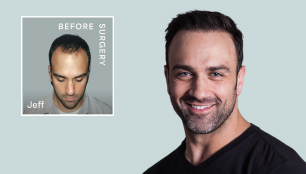

Smoking can harm more than your lungs — it may also contribute to hair thinning and hair loss by damaging hair follicles and reducing scalp circulation.
Key Takeaways
Smoking reduces blood flow to hair follicles.
Cigarette toxins weaken hair and damage follicles.
Smoking and vaping are both linked to hair thinning.
Quitting smoking may help improve hair growth and scalp health.
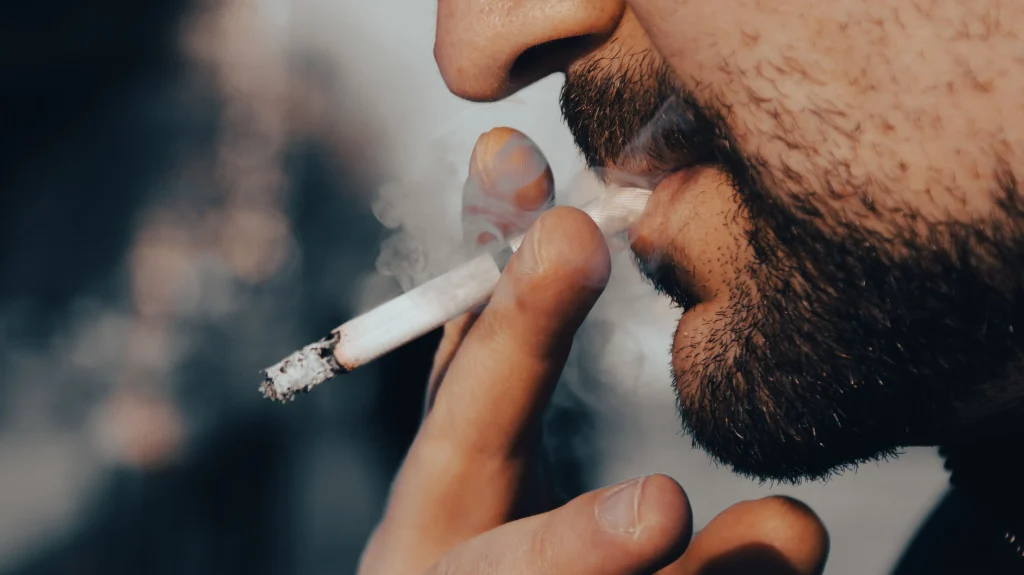
Smoking doesn’t just harm your lungs; it can also contribute to hair loss and slow down hair growth. Studies show a significant association between smoking and both thinning hair and premature hair loss. The effects of smoking on hair can make it more brittle, reduce shine, and damage the hair follicles that keep your hair healthy.
At HairClub, we’ve seen how smoking and hair loss often go hand-in-hand. Understanding the connection between smoking and hair can help you protect the health of your hair and choose the right treatment for hair loss.
How Cigarettes Affect Hair Health
The role of smoking in hair loss is more serious than most people think. Here’s how smoking tobacco can impact your hair and lead to hair loss:
1. Poor Blood Flow to Hair Follicles
When you smoke cigarettes, the nicotine they contain narrows your blood vessels. This limits blood flow to hair follicles, making it harder for your scalp to get oxygen and nutrients. Without enough blood, the hair growth cycle is disrupted, and follicles can shrink or die. Over time, this can cause damage to your scalp and accelerate hair loss.
2. Damage to the DNA of Hair Follicle Cells
Cigarettes release toxins that cause oxidative stress and can cause damage to the DNA in your hair follicle cells. This weakens the follicles and the hair shaft, making your hair thin, dull, and prone to breakage. Long-term exposure may even cause hair follicle destruction by activating harmful chemical pathways, preventing hair regrowth.
3. Weak Immune System and Infections
The side effects of smoking also weaken your immune system. This makes your scalp more open to infections that affect hair health and contribute to hair loss. Smokers often have slower healing and less resistance to inflammation, both of which can make hair loss worse.
4. Environmental Pollution
The implications of cigarette smoking go beyond your body. When you smoke indoors or in closed spaces, the cigarette smoke builds up and clings to your hair. These pollutants can damage the dermal hair papilla (the base that feeds each strand), creating a poor environment for hair growth.
The Connection Between Smoking and Hair Thinning
Many studies now support the relationship between smoking and hair loss. Research found that the prevalence of extensive hair loss was higher among smokers, and smoking was higher in male participants with frontal hair loss, vertex hair loss, and increased frontal hair thinning.
There’s also an association of smoking and baldness in men, and female pattern hair loss has been linked to smoking or vaping. Even vaping can be a contributing factor to hair loss because nicotine and chemicals in vapor may lead to the same hair damage as cigarettes. While the link between smoking and hair loss is clear, some research also notes that smoking was not statistically significant in all cases. Still, the role in hair health is undeniable; the connection between smoking and hair problems is strong enough to call it a preventable contributor to thinning and baldness.
Can You Reverse Hair Loss That Has Been Affected by Smoking?
The good news is that hair loss or thinning that has been affected by smoking can often improve after you quit smoking. Once you stop smoking, your hair follicles and hair shafts begin to recover. Better blood flow brings oxygen back to your scalp, helping restart the hair growth cycle.
However, recovery depends on the degree of hair loss and the length of smoking. If your hair loss has been long-term, you might need professional help to restore density and volume.
Treatment Options for Smoking-Related Hair Loss
Here are the best ways to treat smoking-related hair loss and support hair regrowth:
1. Non-Surgical Hair Restoration
HairClub offers advanced hair restoration options for people with hair loss associated with smoking. Our non-surgical hair replacement and Xtrands+® system adds natural-looking fullness and restores your confidence without surgery. These methods work well for those with thin or thinning hair caused by nicotine exposure or smoking cigarettes over time.
2. Regrowth Solutions
If your hair loss is reversible, we’ll guide you through treatments that disrupt the hair growth cycle healthily, encouraging your hair follicles to restart and produce stronger strands. These include scalp therapies and hair-loss solutions customized for your scalp.
3. Surgical Options1
In cases of more advanced hair loss, a hair transplant may be an option. These procedures move healthy hair follicles to areas of hair loss that may have been affected by smoking, helping to restore more density.
Why Choose HairClub
For nearly 50 years, HairClub has helped people overcome all types of hair loss, including those affected by smoking. Our experts understand how smoking increases risk factors for hair health, and we can help restore your hair’s health through personalized care.
When you meet with us, we’ll assess your hair follicles and create a treatment plan based on your lifestyle, and your scalp condition. Our team offers both non-surgical and surgical options to rebuild confidence and natural-looking hair.
Frequently Asked Questions
Does nicotine really contribute to hair loss?
Yes. Nicotine reduces blood flow and oxygen to your scalp, which can contribute to hair loss and accelerate hair thinning.
Can quitting smoking help my hair grow back?
Yes. When you quit smoking, your circulation and scalp health improve. Over time, this can support hair regrowth and strengthen your strands.
Is vaping safer for my hair?
Not really. Studies show vaping can contribute hair loss due to similar toxins found in cigarette smoke. Smoking or vaping both affect hair follicles.
How long until I see results after quitting smoking?
It depends on the length of smoking and the degree of hair loss. Most people see improved scalp health within months, but visible regrowth can take longer.
What if I already have bald spots?
HairClub offers innovative hair restoration solutions, from non-surgical systems to hair transplant options, to help restore your hair health and fullness.
Ready to Restore Your Hair?
If you’re ready to fight hair loss caused by smoking, HairClub is here to help.
Schedule your complimentary consultation today to learn about your personalized hair restoration plan. Let’s rebuild your confidence and create a healthier future for your hair—starting now.
- Professional hair transplantation services provided by the affiliated physicians of Bosley Medical Group, P.C. (“BMG”). Please note that no procedures are performed by BMG until the patient has been examined, diagnosed and accepted for treatment by a BMG physician. Results may vary.