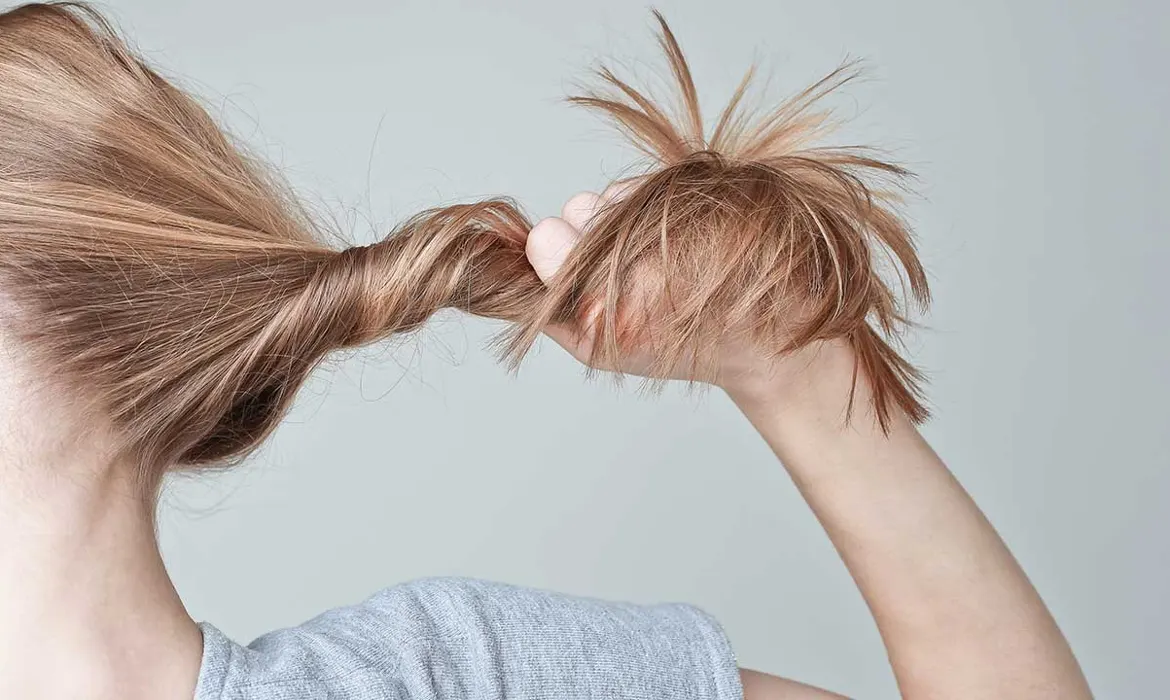
Pulling, tugging, or twisting your hair too often might seem harmless, but over time, it can lead to hair loss. Many people don’t realize that tight hairstyles and constant tension on their hair can cause a type of hair loss called traction alopecia.
At HairClub, we’ve helped thousands of people with this type of hair loss regain their confidence and restore their hair health with proven solutions and expert care.
What Is Traction Alopecia?
Traction alopecia is a type of hair loss caused by repeated pulling or tension on hair. It happens when you pull your hair too tightly or wear hairstyles that pull on the scalp, like braids, weaves, ponytails, or extensions. Over time, this tension on the hair can cause damage to the hair follicle, leading to broken hair, thinning edges, and even permanent hair loss.
Common features of traction alopecia include small patches of hair missing around the temples or along the marginal hair line, especially in areas where the hair is tightly pulled back. It’s one of the most common causes of hair loss among people who often braid their hair or use heavy extensions.
In many cases, traction alopecia can occur in women who twist or pull on the hair repeatedly. The weight of the hair or accessories, such as clips and ties, may also cause it.
If you notice thinning around your hairline or pain when styling, you may already be developing traction alopecia.
What Causes Traction Alopecia?
The leading cause of traction alopecia is wearing tight hairstyles that place tension on hair and damage it over time. Common causes of hair loss related to styling include:
- Braids and cornrows that are too tight
- Wigs or extensions that pull on your hair
- Ponytails that pull your hair tightly every day
- Hairpieces or accessories applied to the same hair and scalp area repeatedly
This type of hair loss can also develop in people with tightly curled hair, where regular stretching or chemical relaxing adds stress to the hair shaft and scalp.
If not treated early, traction alopecia may lead to scarring alopecia, which is also known as cicatricial alopecia. This is where hair loss is permanent because of mechanical damage and scarring in the hair follicle. In some cases, alopecia due to the weight of extensions or long weaves can worsen over time.
Symptoms of Traction Alopecia
You may have traction alopecia if you notice:
- Hair loss along the edges or temples
- Tenderness or redness on the scalp
- Small bumps where the hair loss occurs
- Short, broken hair or thin patches of hair
- Pain when brushing or wearing tight hairstyles
Early findings in traction alopecia can often be reversed with better hair care practices and early treatment. But longstanding traction alopecia can lead to permanent loss if the hair follicle is badly damaged.
Available Treatment Options
The good news is that traction alopecia causes can often be reversed if caught early. HairClub offers proven solutions that help regrow hair, repair the scalp, and teach you how to protect your hair from further damage.
Prevention & Regrowth
HairClub’s Prevention & Regrowth Program is a non-surgical treatment of traction alopecia designed to support hair regrowth in the early stages of hair loss.
Each client receives a custom in-center program that includes:
- Scalp cleansing and conditioning
- Application of a rejuvenating elixir with Minoxidil1 (the FDA-approved ingredient for hair regrowth)
- Laser therapy2 to stimulate the hair follicles and improve blood flow to the scalp
- Nutritional supplements to support healthy hair growth
Clients also receive a hair care system for home use, helping to prevent traction alopecia and maintain a healthy scalp environment.
Xtrands+® Hair Replacement
For clients with advanced or permanent hair loss, HairClub’s Xtrands+® Hair Replacement offers a natural-looking solution that restores full coverage to thinning areas.
It’s ideal for clients who can’t achieve hair regrowth because of scarring alopecia. Xtrands+ blends with your natural hair, restoring volume and confidence immediately.
Why Choose These Solutions
Both HairClub solutions help not only improve hair growth and scalp health but also reduce the risk of traction alopecia by teaching better hair care routines. They help you prevent hair loss and promote long-term results.
When to Consider Other Options
If you have traction alopecia of the marginal areas, your hair loss may be more complex. In these cases, your HairClub Certified Hair Loss Specialist might discuss surgical options or refer you for evaluation, which may require medical care.
Always avoid hairstyles that pull or cause hair tension. Consider changing hair routines that may contribute to traction alopecia to protect your hair and scalp.
Why Choose HairClub
For nearly 50 years, HairClub has helped people overcome every type of hair loss. Our experts understand the common causes of hair loss and use proven methods to restore healthy hair and confidence. With TrichoView® digital tracking, you can see your hair regrowth progress in real time.
FAQs
1. Can I get traction alopecia from braiding my hair?
Yes. Braid styles that pull on your hair too tightly can cause traction alopecia over time. Looser styles and gentle hair care can prevent traction alopecia.
2. Is traction alopecia permanent?
If treated early, traction alopecia can occur without scarring, and hair may regrow. But once mechanical damage sets in, hair loss can be permanent.
3. What are the common causes of hair loss?
The common causes include tight hairstyles, harsh chemicals, poor hair care practices, and tension on the hair. These causes of hair loss are often preventable.
4. How can I protect my hair?
Avoid hairstyles that pull, stop using heat daily, and focus on gentle hair care routines. See a HairClub expert early to prevent traction alopecia and restore healthy hair.
Don’t wait until your hair loss is permanent. Let HairClub help you reverse the cause of traction alopecia and restore your confidence.
Book your complimentary consultation today at one of over 100 HairClub centers near you.
- Minoxidil is the only FDA-approved topical ingredient clinically proven to regrow hair and slow further loss. In a third-party observational study, more than 63% of male participants found Minoxidil to be effective or highly effective in hair regrowth.
- HairClub Laser Caps are indicated to promote hair growth in males with Androgenetic alopecia who have Norwood-Hamilton Classifications of Ila – V, and in females with Androgenetic alopecia who have Ludwig (Savin) Classifications I – II or frontal patterns of hair loss and who both have Fitzpatrick Skin Types I – IV. These devices are also cleared by Health Canada.