


Content
Does Hair Dye Cause Hair Loss? Here’s the Real Answer
Written By: Hairclub
Key Takeaways:
- Damage from coloring often leads to dryness and breakage, not permanent follicle loss.
- Overprocessing can make thinning look worse.
- Breakage and hair loss look different. Know what you’re dealing with.
- Spacing out color sessions and using products for color-treated hair can help protect hair strength.
You color your hair on a Saturday. By Monday, there are more strands in the shower drain than usual. It’s easy to connect the dots and assume the dye is to blame. But the relationship between hair dye and hair loss is more complicated than it first looks.
The short version: hair dye doesn’t typically directly cause true hair loss from the root. But it absolutely can weaken hair, cause breakage, and in certain situations trigger scalp reactions that make hair loss worse. Knowing the difference matters — especially if you’ve been noticing more hair fall lately.
What follows covers what actually happens when you dye your hair, when hair dye causes hair loss concerns that are worth taking seriously, and how to protect your hair going forward.
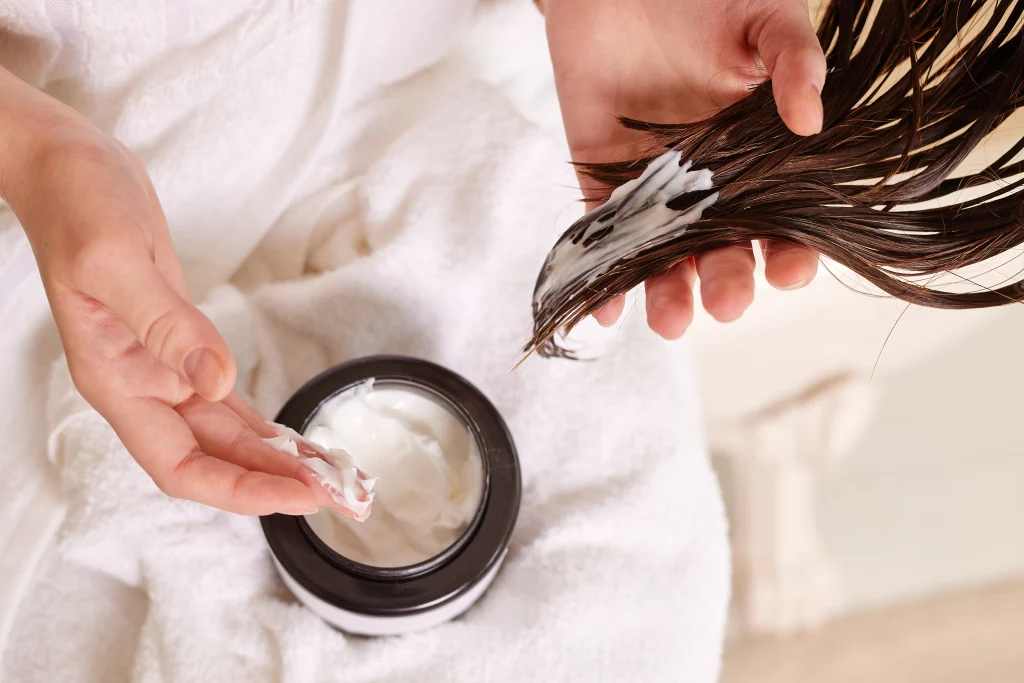
What Hair Dye Actually Does to Your Strands
When you apply permanent hair dye, the chemicals in hair coloring products don’t just coat the surface. Permanent hair color uses ingredients like ammonia hair-opening agents and hydrogen peroxide to lift the hair cuticle and push pigment into the hair shaft. That process works; it’s how the color holds.
The hair cuticle is the outer protective layer of the hair. It keeps moisture locked in and shields the hair’s internal structure. Each time permanent hair dye forces it open, that layer becomes rougher, more porous, and less effective at doing its job. The dye affects the structural integrity of your hair fibers, and that’s what eventually leads to breakage.
After multiple dye sessions, you may notice more hair fall than usual. In most cases, that extra shedding isn’t hair loss from the root; it’s the hair shaft itself snapping. That’s a critical distinction to understand.
Hair Breakage vs. True Hair Loss: Why It Matters
Hair dye usually causes breakage, not follicular hair loss. Understanding that can save you a lot of unnecessary worry.
True hair loss, tied to genetics, hormones, or medical conditions, happens when the hair follicle stops producing new hair, or when strands fall from the root with the white bulb intact. If you’re finding short, snapped pieces or split ends piling up, that’s breakage.
Does hair dye cause hair loss from the follicle? Rarely. Dye alone doesn’t typically interfere with the hair growth cycle or damage the hair shaft at a depth that affects the follicle. If you’re seeing patchy hair loss, thinning hair, or a part that keeps widening, dye is probably not the primary cause.
When Hair Dye Can Contribute to Hair Loss
There are specific situations where the ingredients in hair dye and repeated dye exposure can contribute to hair problems, particularly if something else is already in play.
Allergic Reactions
Some people have an allergic reaction to hair dye products, which is common in dark permanent hair formulas. A reaction on the scalp can cause swelling, inflammation, and itching. In persistent cases, scalp irritation can make hair loss worse for anyone already dealing with underlying thinning.
Scalp Sensitivity and Contact Dermatitis
The harsh chemicals in the dye can trigger contact dermatitis, a localized scalp reaction that causes redness, flaking, or tenderness. When that reaction becomes chronic, it can damage the hair shaft and irritate the skin enough to affect the follicle environment over time. This is where a repeated allergic reaction or sensitivity can weaken hair health in affected areas.
Overprocessing
Applying dye over already-damaged colored hair, leaving dye on too long, or combining multiple chemical treatments within a short window adds up fast. This cumulative load can seriously damage hair and cause breakage that looks a lot like hair thinning.
Existing Hair Loss Conditions
If you’re already managing androgenetic hair loss or alopecia, dyed hair tends to look less dense than natural hair because it loses moisture faster. The color doesn’t cause hair loss in this case, but it can make hair loss symptoms more visible and harder to track.
What's Actually in Hair Dye
Not every hair dye formula is the same. Here’s a plain-language breakdown of what the main ingredients in hair dye do and how they affect your strands:
- Ammonia: Opens the hair cuticle so pigment can enter the hair shaft. This is standard in permanent hair color and is the primary reason ammonia hair treatments weaken strands over time.
- Hydrogen peroxide: Strips existing natural hair pigment and activates the dye. Higher volumes mean more damage to hair.
- PPD and oxidants: Drive the color reaction. The most common source of allergic reaction in sensitive individuals.
- Resorcinol and ethanolamine: Penetration aids are common in hair dye products. Can irritate the scalp with prolonged contact when applying dye.
Semi-permanent and demi-permanent options are generally gentler because they don’t open the cuticle as deeply. But even those hair coloring products have a drying effect on hair and scalp health if you’re coloring frequently.
Signs Your Hair Needs a Break
Your hair is falling more after color than it did before. Your ends are snapping. Overall, hair texture feels dry and brittle, no matter what hair care products you reach for. Your hair strength has clearly changed. These are real signals.
Some extra hair shedding right after color is normal; dye can loosen strands that were already at the end of their cycle. But if hair falling out after dyeing continues for weeks, or if the volume increases with each session, your hair may need time to recover.
Also watch for:
- Hair that feels rough or gummy when wet
- Breakage concentrated at the mid-shaft rather than the root
- Color that fades unusually fast (a sign the cuticle is badly compromised)
- Scalp sensitivity, soreness, or flaking that gets worse after dye
How to Protect Your Hair While Coloring
If hair color is part of your life, the goal isn’t to stop; it’s to give your hair the best possible conditions to handle chemical color without unnecessary wear.
Space out your dye sessions. Most colorists recommend at least 6 to 8 weeks between full color applications. Applying dye to already-weakened color-treated hair is where the worst structural damage accumulates.
Switch to hair care products made specifically for color-treated hair. They’re built to help seal the hair cuticle post-color and replace the moisture that chemicals in hair coloring strip away.
Deep conditioning treatments before and after color help rebuild hair strength. When you treat your hair with a protein or moisture mask before a color appointment, you give it a buffer. This can help stop hair from becoming brittle so quickly after dye.
Avoid combining multiple chemical processes. Bleaching, relaxing, and coloring in a short window will weaken your hair significantly and can cause hair damage that takes months to recover from.
If your hair health is already compromised, or if you’re dealing with any risk of hair loss from a separate cause, talk to a specialist before you use hair dye again. They can help you understand what your strands can handle and suggest hair products that reduce additional stress.
When Hair Loss Might Be Something Bigger
For most people, hair dye doesn’t lead to permanent hair loss. Once you reduce the chemical processing and focus on hair care, hair should grow back as the growth cycle carries on. New hair will cycle in as the follicle resumes normal activity.
But if your hair loss may not be improving, or if the pattern doesn’t match what you’d expect from hair damage alone, dye alone is probably not the full picture. True hair loss behaves differently from breakage, and it’s common to experience hair loss from an entirely separate cause while dye gets the blame.
It’s worth a conversation with a professional if you notice:
- Patchy hair loss with smooth, bare areas
- Full strands shedding with the bulb still attached
- Hair thinning concentrated at the crown or temples over months
- Hair shedding consistently above your normal baseline
- Changes in overall hair density that dye doesn’t account for
These patterns can point to androgenetic alopecia, thyroid changes, nutritional gaps, or hormonal shifts. Hair dye can reveal or worsen hair loss that’s already happening, but hair dye causing hair loss on its own is uncommon.
Frequently Asked Questions
Does hair dye cause hair loss?
Hair dye doesn’t typically directly cause follicular hair loss. Hair dye usually causes structural damage to the hair shaft, leading to breakage, rather than disrupting the hair growth cycle. If you’re seeing thinning or patchy hair loss, something other than dye is likely driving it.
Is it normal to lose hair after coloring?
Some extra hair shedding immediately after color is normal. Dye can release strands that were already at the end of their cycle. But if hair falling out after dyeing persists for weeks or worsens over time, your hair care routine needs attention.
Can permanent hair dye cause permanent hair loss?
Permanent hair color uses strong chemicals that can weaken hair and irritate the scalp, but it doesn’t typically lead to permanent hair loss. Once you reduce the chemical processing and support healthy hair habits, new hair should grow back as the growth cycle continues. Permanent follicle damage from hair dye alone is rare.
What's the difference between hair breakage and true hair loss?
Breakage happens when the hair shaft snaps; you’ll see short, uneven strands and hair fibers without a bulb attached. True hair loss involves strands shedding from the follicle, often with the white root bulb visible. Breakage is typically tied to damage from hair dye or other chemical processing. True hair loss usually has a separate underlying cause.
Can I still color my hair if I'm already losing hair?
It depends on what’s causing the loss. Dyeing your hair on top of already-thinning strands can make things look worse and cause breakage faster. If you’re dealing with active hair loss, talk to a specialist before you color your hair again. They can help you weigh the risk of hair damage against your coloring goals.
How do I know if my hair loss is from dye or something else?
Dye-related issues typically look like breakage: short snapped strands, dry texture, and hair damage at the ends or mid-shaft. True hair loss looks different: full strands with the root bulb, patchy hair loss, or steadily thinning areas. A scalp consultation with a professional can help clarify which pattern you’re actually dealing with.
In Summary
Hair dye and hair loss often get blamed for the same problem, but the causes are usually different. Dye can damage the hair shaft, weaken hair structurally, irritate the scalp, and make existing hair loss more visible. For most people, though, hair dye doesn’t cause hair loss from the follicle, and with the right hair care, hair should grow back after reducing chemical stress.
If you’re noticing hair fall that doesn’t match the breakage pattern, or if your hair isn’t recovering the way you’d expect, it may be time to get a clearer picture of what’s actually going on. HairClub’s Certified Hair Loss Specialists can analyze your hair and scalp to determine your stage of hair loss, but they cannot provide a medical diagnosis.
To learn your stage of hair loss and what solution is best suited for your hair needs, schedule a free consultation today at one of over 100+ HairClub locations across North America.
Authors

HairClub
Hair Loss Specialist, Trichology Cert. | HairClub Content Team

Dr. Angela Phipps
Board-Certified Dermatologist | Medical Reviewer
Serves as HairClub’s medical advisor and hair restoration surgeon, specializing in both surgical and non-surgical treatments for hair loss in men and women.
Related Articles
Written By: Hairclub
Written By: Hairclub
Written By: Hairclub
Come see a Hair Loss Specialist to find out which of our cutting-edge solutions is right for you
or call 1-800-HAIRCLUB
Find the Right Solution Near You
From prevention to full restoration, we match you with the right approach at a center near you.
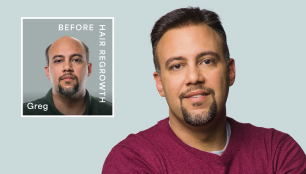
Prevention & Regrowth
Stop hair loss early with clinically proven therapies including laser therapy, topical treatments, and PRP.
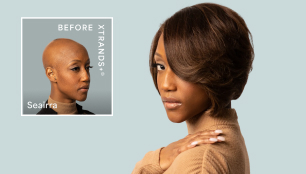
Hair Replacement (Xtrands+)
Non-surgical, natural-looking hair that’s immediate and permanent. Custom-fitted at your local center.
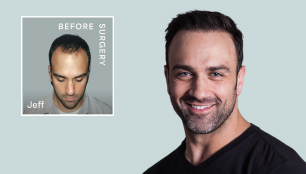
Hair Transplant Surgery
The most advanced FUE and FUT procedures, performed by affiliated Bosley Medical Group physicians.