

Content
Does Summer Cause Hair Loss? Here’s What’s Actually Happening
Written By: Hairclub
Key Takeaways:
- Summer shedding is normal for many people as more follicles shift into the hair’s resting phase during warmer months.
- Sun, chlorine, salt water, and heat styling can weaken hair and increase breakage.
- Habits like tight hairstyles, overwashing, stress, and poor nutrition may contribute to extra shedding.
- Persistent thinning, bald spots, or widening parts may signal something beyond seasonal hair loss and warrant professional attention.
You step out of the shower, and there’s more hair on the drain than usual. Or you’re pulling what feels like an unusually large amount from your brush after a day in the heat. If this sounds familiar, you’re not imagining things.
Summer hair loss is something a lot of people notice but few talk about. Most of the time, it’s tied to your normal hair growth cycle responding to seasonal changes rather than something going wrong. But it helps to understand what’s actually driving the extra shedding, and how to tell the difference between a normal seasonal shift and a sign that your hair needs more attention.
Here’s what’s going on with your hair in the summer and what you can do to take care of it.
Is Summer Hair Shedding Normal?
For most people, yes.
Human hair doesn’t all grow at the same rate or shed at the same time. The hair growth cycle runs in phases: active growth, a brief transition, and then a resting-and-shedding phase. Research into the seasonality of hair shows that more follicles tend to shift into that resting phase during the warmer months, which means more hair shedding in summer and into early fall.
A 2009 study published in the British Journal of Dermatology tracked hair loss patterns across a large group of participants and found that shedding was highest during the summer months. So if you’re finding more hair in your brush right now, that’s often just the normal hair cycle at work.
The average person loses between 50 and 100 hairs per day. During seasonal shedding, that number can spike, and while it feels alarming, it doesn’t necessarily point to a problem.
What Drives Seasonal Hair Loss?
The Hair Growth Cycle and What Summer Does to It
Each hair follicle moves through three phases: anagen (growth), catagen (transition), and telogen (resting and shedding). The phase of the hair growth cycle your follicles are in at any given time determines how much you’re losing on a given day.
During summer, research suggests that more follicles shift into the telogen phase simultaneously — possibly as a biological response to increased daylight and heat. This synchronized resting is what causes a temporary spike in hair shedding. New hair growth follows in the weeks after as follicles cycle back into the growth phase.
This pattern is sometimes called seasonal hair shedding or seasonal telogen effluvium. It’s a distinct phenomenon from pattern hair loss, and for most people it resolves on its own within a few months.
The seasonality of hair loss is well-documented in research, though the exact biological mechanism is still being studied. Most experts believe it’s linked to changes in light exposure affecting hormone and melatonin cycles.
How Summer Sun and Heat Affect the Hair Shaft
Beyond the growth cycle, the summer sun creates real physical stress on your strands. UV exposure can damage the hair shaft by breaking down the protein structure in the hair’s outer layer — making hair more brittle and prone to breakage. This isn’t hair loss at the root, but it does mean more hair snapping off, which adds to what ends up in your brush.
Chlorine, salt water, and excessive heat from styling tools can all compound this effect. They don’t cause hair loss from the follicle, but they can damage the hair shaft and make existing summer shedding more visible and harder to manage.
Summer Habits That Can Contribute to Hair Loss
Some of what happens to hair in summer has less to do with biology and more to do with day-to-day habits.
Sun exposure without protection. Long summer days outside with no scalp protection can stress both the scalp and hair. A sunburned scalp is uncomfortable and can affect scalp health in the short term, which in turn may impact hair growth.
Washing your hair more often. Hot weather leads to more sweat, and more sweat usually means washing your hair more frequently. This isn’t inherently bad, but harsh shampoos used repeatedly can strip natural oils and leave the hair dry and weakened.
Tight hairstyles. Pulling hair back to stay cool, tight buns, and slicked-back ponytails puts repeated stress on the hair follicle. Over time, this can cause a type of hair loss called traction alopecia.
Diet changes. Lighter summer eating can sometimes mean missing nutrients that are essential for hair growth, including protein, iron, zinc, and biotin. These gaps can contribute to hair loss or slow new hair growth if they continue long enough.
Stress. Summer isn’t always a break. For many people, it brings real stress: travel, financial pressure, and schedule disruption. Stress-related hair loss is a recognized phenomenon where physical or emotional strain pushes more follicles into the resting phase at once.
Normal Seasonal Shedding vs. Something Worth Watching
It can be hard to know whether the extra hair falling out is just a seasonal thing or a sign of thinning hair that deserves closer attention. Here are a few ways to think about it.
Seasonal hair shedding is usually diffuse, spread across the scalp rather than concentrated in one area. It tends to slow down on its own within two to four months, and you typically won’t notice a visible change in your hair density or part width.
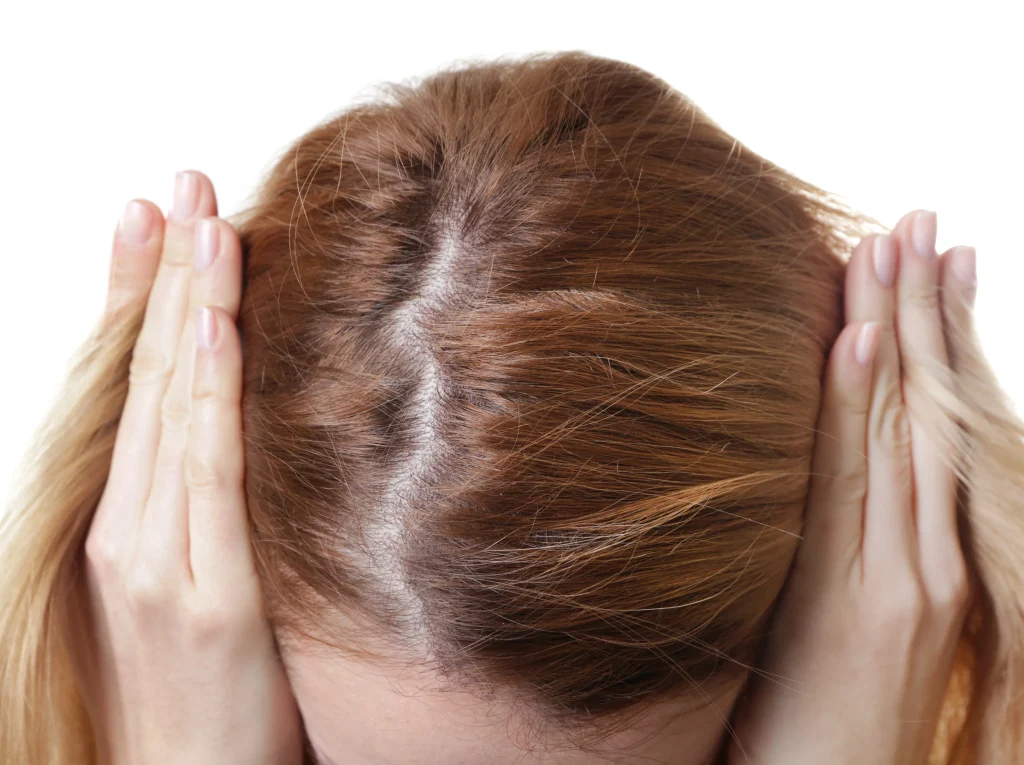
Pattern hair loss looks different. It typically follows a specific pattern, often starting at the hairline or the crown, and hair density visibly decreases over time. Hair strands may also feel finer than they used to.
If you can still see a full, even part line and your hairline looks the same as it did six months ago, you’re most likely dealing with seasonal changes. If you’re seeing your scalp more clearly than before, or the shedding hasn’t let up going into fall, that’s a different conversation.
Tips for Healthy Hair This Summer
You can’t override the hair growth cycle, but you can support your hair and scalp through the seasonal shift. A few changes to your hair care routine can make a noticeable difference.
Protect your hair from UV. Wear a hat on long summer days, or use a leave-in conditioner with UV protection. Shielding the hair shaft from sun damage helps maintain healthy hair through the hottest stretch of the year.
Use gentler hair products. Look for sulfate-free shampoos and nourishing hair conditioners made for summer use. Hair masks once a week can help restore moisture stripped away by sun, salt, and chlorine. Rinse your hair thoroughly after swimming before those chemicals can sit on your scalp.
Ease up on heat styling. Your hair is already under stress in summer. Letting hair dry naturally when you can gives it breathing room. If you do use heat, protecting the hair with a heat spray is important for hair health.
Eat for your hair. Protein is essential for hair growth, hair cells are made of it. Iron, vitamin D, omega-3s, and zinc are all important for hair growth year-round. Summer is actually a great time to focus on hair-friendly foods: fatty fish, eggs, leafy greens, and nuts.
Stay hydrated. Skin and hair both depend on adequate water intake. Keeping hydrated through summer days supports hair health from the inside out.
Assess your scalp and hair. If your scalp feels itchy, flaky, or inflamed, address it early. Scalp health plays a real role in healthy hair growth, and irritation left unchecked can make seasonal shedding feel worse.
When to Talk to a Specialist
Seasonal shedding usually sorts itself out. But some causes of hair loss don’t resolve without help, and the earlier they’re identified, the more options tend to be available.
It’s worth speaking with a hair specialist if:
- Shedding during the summer is heavy and doesn’t slow down by fall
- You’re seeing bald patches or significant thinning in specific areas
- You have a family history of pattern hair loss, and you’re starting to notice signs
- Your part line looks visibly wider than it used to
- You’re losing more than usual, and it’s been going on for several months
There are many types of hair loss, and they don’t all look or behave the same way. A specialist can assess your scalp and hair, and walk you through which solutions may be right for your situation.
Frequently Asked Questions
Is it normal to notice more hair falling out in summer?
Yes, for most people. Seasonal hair shedding peaks during the summer months based on research into normal hair cycle behavior. Most people shed more hair during this period, and it typically slows down on its own by early fall.
How much hair shedding is normal in summer?
The average person loses 50 to 100 hairs per day. During peak summer shedding, that number can go higher for a few weeks. If the amount of hair you’re losing seems extreme, or shedding doesn’t let up after a couple of months, it’s worth a conversation with a specialist.
Does summer sun cause hair loss?
UV rays don’t typically cause hair loss at the follicle, but they can damage the hair shaft — making it weaker and more prone to breaking. This is different from true hair loss, but it can make summer shedding feel more noticeable. Protecting your hair from sun exposure helps minimize this.
What's the difference between seasonal shedding and pattern hair loss?
Seasonal hair shedding is usually temporary and spread evenly across the scalp. Pattern hair loss follows a specific path; often starting at the hairline or crown, and progresses over time rather than easing up seasonally. If you’re not sure which one you’re dealing with, a professional evaluation can help clarify it.
Can I prevent hair loss in summer?
You can’t prevent seasonal changes in the hair growth cycle, but you can minimize damage from sun, heat, and styling habits. A solid hair care routine, a nutrient-rich diet, and protecting your scalp from the elements all support healthier hair through summer.
When does increased shedding during the summer usually stop?
For most people, summer hair shedding tapers off in fall as the hair cycle stabilizes. If you’re still experiencing significant hair loss going into winter, it may be worth exploring other possible causes with a specialist.
The Bottom Line
Finding more hair in your brush or the drain this season doesn’t have to be a source of alarm. For most people, summer shedding is the body’s normal response to seasonal changes, and new hair growth follows. Keeping up a consistent hair care routine, eating well, protecting your scalp from the summer sun, and managing stress can all help you maintain healthy hair through the warmer months.
That said, if what you’re seeing feels like more than a seasonal pattern, if shedding is severe, prolonged, or accompanied by visible changes in your hair density, it’s worth getting a professional read on what’s actually happening.
HairClub offers a free consultation with a Certified Hair Loss Specialist who can assess your scalp and hair, answer questions, and help you understand what hair regrowth or restoration solutions might make sense for your situation. No commitment required, just a real conversation so you can feel confident about your next step.
Schedule a complimentary consultation today at one of over 100+ HairClub locations across North America.
Authors

HairClub
Hair Loss Specialist, Trichology Cert. | HairClub Content Team
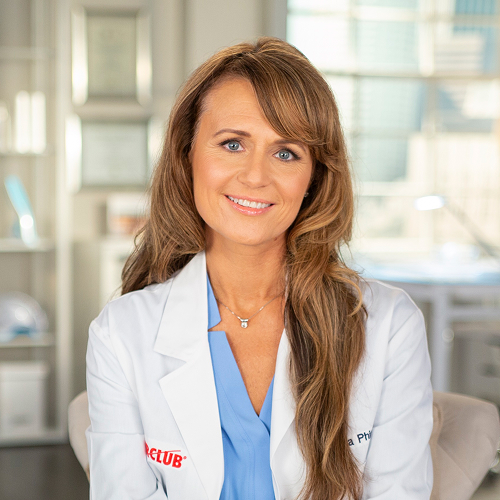
Dr. Angela Phipps
Board-Certified Dermatologist | Medical Reviewer
Serves as HairClub’s medical advisor and hair restoration surgeon, specializing in both surgical and non-surgical treatments for hair loss in men and women.
Related Articles
Written By: Hairclub
Written By: Hairclub
Written By: Hairclub
Come see a Hair Loss Specialist to find out which of our cutting-edge solutions is right for you
or call 1-800-HAIRCLUB
Find the Right Solution Near You
From prevention to full restoration, we match you with the right approach at a center near you.
Prevention & Regrowth
Stop hair loss early with clinically proven therapies including laser therapy, topical treatments, and PRP.
Hair Replacement (Xtrands+)
Non-surgical, natural-looking hair that’s immediate and permanent. Custom-fitted at your local center.
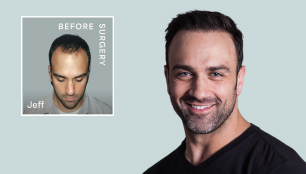
Hair Transplant Surgery
The most advanced FUE and FUT procedures, performed by affiliated Bosley Medical Group physicians.