


Content
Hair Restoration Methods: What Are Your Options?
Written By: Hairclub
Key Takeaways
FUE and FUT are the two main hair transplant methods.
Non-surgical options include PRP, medications, and hair systems.
The right treatment depends on your hair loss, goals, and budget.
Long-term results take time and ongoing maintenance.
If you’ve been experiencing hair loss, you’ve probably spent at least a few nights down the research rabbit hole. FUE, FUT, PRP, hair systems; it can feel like you need a medical degree just to understand your choices. You don’t.
This guide walks through the most common hair restoration methods in plain language: what they are, how they work, who they tend to work for, and what to think about before making any decisions. No jargon, no pressure.

Why There Isn't One 'Best' Method
Hair loss affects people differently. Male pattern baldness, female pattern hair loss, a receding hairline, thinning hair at the crown, or a bald spot from stress or a health change; each situation is different. The right treatment for hair loss depends on how much hair you’ve lost, the health of your donor area, your age, your goals, and your budget.
A good provider won’t just hand you a menu and point at the most popular item. They’ll assess your specific situation first. That’s where a genuine conversation with a specialist makes all the difference.
Good to know: There are both surgical1 and non-surgical hair restoration options available today. Where you start depends entirely on your situation, not on what’s trending.
Surgical Hair Restoration: FUE and FUT Explained
When most people hear ‘hair transplant,’ they picture surgical hair restoration. There are two main hair transplant techniques in wide use today: FUE (follicular unit extraction) and FUT (follicular unit transplantation). Both involve moving healthy hair follicles from a donor area, usually the back of the head, to areas where hair has thinned or stopped growing.
FUE: Follicular Unit Extraction
FUE is currently the more widely chosen of the two. In follicular unit extraction, individual hair follicles are removed one at a time from the donor area and placed in the target zone. Because no strip of skin is removed, FUE typically leaves no linear scar, just small, dot-like marks that fade over time.
Recovery tends to be quicker compared to FUT, and many people find it easier to wear their hair short afterward. FUE can deliver natural-looking results for the right candidate, and it’s often used in robotic hair transplant systems that rely on imaging to select and extract grafts with precision.
FUT: Follicular Unit Transplantation
FUT, or follicular unit transplantation, involves removing a thin strip of scalp from the donor area. Individual grafts are then prepared from that strip and placed into thinning sections. FUT can allow a surgeon to move a larger number of grafts per session, which may make it a better fit for people dealing with more extensive hair loss.
The tradeoff is that FUT does leave a linear scar at the donor site. For people who prefer longer hairstyles, this usually isn’t a concern. A skilled hair transplant surgeon can minimize how noticeable the scar at the donor site becomes, and it typically heals well over time.
FUE and FUT compared: FUE and FUT are both proven hair transplant procedures. Choosing between them comes down to your hair density, scalp health, and the degree of loss, not which one sounds more impressive.
Your provider can help you understand which transplant procedure makes more sense based on your hair density and thickness, the condition of your scalp, and how much hair you’re looking to restore.
Non-Surgical Hair Restoration Options
Not everyone is a candidate for a hair transplant, and not everyone wants surgery. Non-surgical hair restoration has come a long way, and for many people, it’s the right starting point or a long-term path they’re genuinely happy with.
PRP Therapy
PRP, or platelet-rich plasma therapy, is a non-surgical option that uses your body’s own growth factors to stimulate hair follicles. The process involves drawing a small amount of blood, concentrating the platelets, and injecting the platelet-rich plasma into the scalp.
PRP may help slow hair loss and promote hair growth in areas where hair follicles are still active but underperforming. It’s often recommended for people in the earlier stages of thinning hair, and it’s sometimes used alongside hair transplantation to support recovery and improve results.
Results from PRP develop over time and vary by person. It’s not a one-session fix; most protocols involve a series of treatments followed by maintenance.
Hair Systems and Non-Surgical Hair Replacement
For people who aren’t candidates for surgery, or who want to improve hair density without a transplant, non-surgical hair restoration is a well-established option. Modern hair systems are designed to blend with your natural hair and match your type of hair, color, and texture.
This isn’t the hairpiece of decades past. Today’s systems are fitted and styled by professionals, and when done well, they can be virtually undetectable. They’re also a practical choice for people experiencing permanent hair loss who want a consistent, full look without waiting for hair regrowth.
Medications and Scalp Treatments
Beyond transplantation and non-surgical hair replacement, there are topical and oral treatments that may help slow hair loss or support new hair growth. Minoxidil3 is one of the most widely used options for both men and women, applied directly to the scalp to stimulate hair growth in areas of thinning.
Finasteride is a prescription oral treatment for hair loss that works by blocking DHT, the hormone responsible for hair follicle miniaturization in male pattern baldness. It’s not appropriate for everyone and should be discussed with a medical provider before starting.
These treatments are often used to combat hair loss early or to maintain results after hair transplant surgery. They’re part of a broader toolkit, not standalone solutions for everyone.
What the 'Right' Method Actually Comes Down To
Choosing between hair restoration options starts with a few honest questions:
- How much hair have you lost, and where is it concentrated?
- What does your donor hair situation look like?
- Are you looking for surgical hair restoration, or are you open to non-surgical hair restoration?
- What’s your timeline and budget?
There’s no single answer that works for everyone. What matters is getting a thorough assessment from someone who can look at your specific case, not just recommend what’s most popular right now.
What People Often Get Wrong When Researching Hair Restoration
A lot of people go into their first consultation with a specific procedure already decided, based entirely on what they read online. That’s understandable, but it can lead to frustration if that procedure isn’t the right fit for their situation.
Hair density and thickness at the donor area, the condition of your scalp, your hair growth cycle, and the types of hair loss you’re dealing with all shape which method will serve you best. A good specialist will walk you through realistic options based on what’s actually possible for you — not what looks best in before-and-after photos.
It’s also worth knowing that hair care after any restoration surgery or treatment plays a real role in long-term results. Your provider should walk you through what to expect and how to protect your investment over time.
One more thing: increasing hair thickness and density takes time regardless of the method. Managing expectations early makes the process easier.
Frequently Asked Questions
What's the difference between FUE and FUT?
Both are surgical hair transplant techniques that move healthy hair follicles from a donor area to thinning sections. FUE extracts individual follicles with minimal scarring; FUT removes a strip of scalp, which leaves a linear scar but can allow for more grafts per session. The right choice depends on how much hair you’ve lost and your personal preferences.
Is hair transplant surgery permanent?
Transplanted hair follicles are typically taken from areas resistant to the hormonal causes of hair loss, so results tend to be long-lasting for many people. That said, hair loss in untreated areas may continue over time, and results vary by individual.
Who is a good candidate for PRP?
PRP tends to work best for people in the earlier stages of hair thinning who still have active follicles. It’s often used as a supportive treatment alongside hair transplantation or as a standalone option for those who aren’t ready for surgery.
Can women get hair transplants?
Yes. Hair transplant procedures can be an option for women experiencing female pattern hair loss, though the approach may differ from cases of male pattern baldness. A consultation is the best way to determine whether surgical hair restoration is appropriate.
How long does it take to see results after a hair transplant?
Most people begin to see new hair growth around 3 to 4 months after a hair transplant, with more noticeable results developing over 9 to 12 months. Hair regeneration takes time, and patience is a real part of the process.
What if I'm not a candidate for surgery?
Non-surgical hair restoration, including PRP, topical treatment for hair loss, or professionally fitted hair systems, can be effective options. A provider can help you understand what’s appropriate based on your hair loss pattern, goals, and overall health.
Ready to Figure Out Your Options?
Hair restoration isn’t one-size-fits-all, and that’s actually good news. It means there are real options for a wide range of situations, whether you’re in the early stages of thinning hair, dealing with more extensive hair loss, or somewhere in between.
The best next step is a conversation with a specialist who can take an honest look at your situation and explain what’s realistic for you. At HairClub, we work with people at every stage of hair loss to find the approach that fits their life, their goals, and their budget, surgical, non-surgical, or a combination.
Schedule a free consultation, and together, let’s find you the hair restoration option that fits you the best.
Authors

HairClub
Hair Loss Specialist, Trichology Cert. | HairClub Content Team

Dr. Angela Phipps
Board-Certified Dermatologist | Medical Reviewer
Serves as HairClub’s medical advisor and hair restoration surgeon, specializing in both surgical and non-surgical treatments for hair loss in men and women.
Related Articles
Written By: Hairclub
Written By: Hairclub

Written By: Hairclub
Come see a Hair Loss Specialist to find out which of our cutting-edge solutions is right for you
or call 1-800-HAIRCLUB
Find the Right Solution Near You
From prevention to full restoration, we match you with the right approach at a center near you.
Prevention & Regrowth
Stop hair loss early with clinically proven therapies including laser therapy, topical treatments, and PRP.
Hair Replacement (Xtrands+)
Non-surgical, natural-looking hair that’s immediate and permanent. Custom-fitted at your local center.
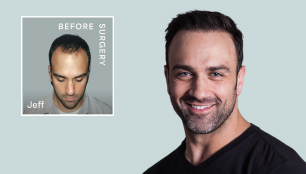
Hair Transplant Surgery
The most advanced FUE and FUT procedures, performed by affiliated Bosley Medical Group physicians.