


Content
What Causes Hair Loss? Common Reasons Explained
Written By: Hairclub
Key Takeaways
Genetics dominate hair loss, with androgenetic alopecia being the most common cause.
Postpartum shifts, menopause, thyroid issues, and PCOS can all trigger shedding.
Stress can affect hair loss. Telogen effluvium often appears months after a major stressor and is usually temporary.
Medications, nutrient deficiencies, hair habits, and underlying conditions can all play a role.
The reasons behind hair loss range from the genes you were born with to the stress you dealt with six months ago. Some types are temporary. Others stick around longer. And often, more than one factor is working against you at the same time.
Understanding the common causes of hair loss is the first step toward finding something that actually helps. Here’s what the research and specialists say.
Hereditary Hair Loss: The Most Common Cause
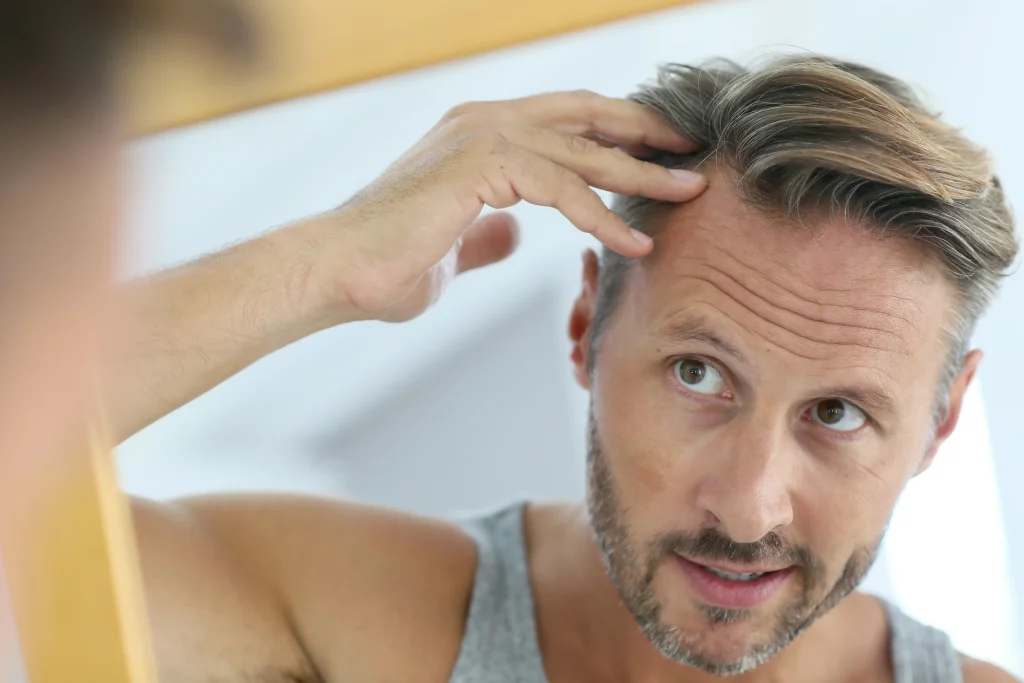
For most people, the biggest reason they lose hair comes down to genetics. Hereditary hair loss, also called androgenetic alopecia, is the most common cause of hair loss worldwide. The American Academy of Dermatology estimates it affects tens of millions of men and women in the U.S. alone.
In men, this typically shows up as a receding hairline or thinning at the crown of the scalp. Over time, those two areas often merge, leaving the familiar horseshoe-shaped ring of hair around the sides and back. In women, hereditary hair loss more often causes diffuse hair loss across the top of the head, without a visible receding hairline.
DHT, a hormone derived from testosterone, plays a central role in this process. It binds to hair follicles and gradually shrinks them over time, causing new hair to grow in thinner and shorter with each cycle. Eventually, hair growth in those follicles slows or stops.
If your parents or grandparents dealt with hair loss, there’s a real chance you will, too. That said, hereditary hair loss can often be slowed, and in some cases partially reversed, with the right treatment plan.
Female Pattern Hair Loss
Female pattern hair loss follows its own path. Women tend to notice a gradual thinning of hair across the top of the scalp rather than bald spots. It often starts in the 40s, 50s, or 60s, though for some it begins earlier. Menopause frequently accelerates it, as estrogen levels drop and the hormonal balance shifts.
Hormonal Changes That Can Cause Hair Loss
Hormones have a big effect on hair. When they shift, even temporarily, the result can be noticeable hair thinning or excessive hair shedding.
Postpartum hair loss is one of the most common examples. During pregnancy, elevated estrogen keeps more hair in the growth phase. Then, in the months after giving birth, estrogen drops quickly, and a large number of follicles shift into the resting phase at the same time. Shedding usually peaks around three to four months postpartum. Hair usually grows back within a year for most people.
Thyroid conditions are another major factor. Both hypothyroidism and hyperthyroidism can lead to thinning hair across the scalp. Because the hair growth cycle has a lag, thyroid-related hair loss may not show up until months after the underlying problem starts.
Polycystic ovary syndrome (PCOS) can also cause hair to fall out in a male-pattern way. Elevated androgens in PCOS affect hair follicles similarly to how DHT does in hereditary hair loss.
Stress and Telogen Effluvium
Stress is one of the more unexpected common reasons for hair loss, because it often shows up months after the stressful event itself. When your body goes through a significant physical or emotional shock, such as surgery, illness, a sudden weight loss, or a major life disruption, it can push a large number of follicles into the resting phase at once. This is called telogen effluvium.
The result is excessive hair shedding, often noticeable in the shower or on your pillow. It can feel alarming. But this type of hair loss is usually temporary. Once the trigger resolves, hair shedding usually peaks and then gradually tapers off over the following months.
The National Library of Medicine notes that telogen effluvium is one of the most common hair disorders that dermatologists treat. If you’ve been through a difficult stretch recently and started losing hair a few months later, that connection may not be a coincidence.
Alopecia Areata: When Your Immune System Targets Hair Follicles
Alopecia areata is a different type of hair loss. It happens when the immune system mistakenly attacks hair follicles, causing hair to fall out in patches on the scalp or elsewhere on the body. This autoimmune condition affects both children and adults.
People with alopecia areata experience sudden, often unpredictable hair loss. Bald spots may appear seemingly overnight. For some, the loss stays limited to a few patches on the scalp. For others, it can progress to complete hair loss across the scalp and body.
Treatment options for alopecia areata include corticosteroid injections, topical minoxidil, and medications that help modulate the immune response. Whether someone will experience hair regrowth depends on the individual and the extent of the condition. A dermatologist can help map out the right approach.
Central centrifugal cicatricial alopecia is another form of alopecia that primarily affects Black women. It starts at the crown of the scalp and spreads outward, and because it can permanently damage hair follicles, catching it early matters. This condition is an active area of focus within dermatology research.
Medications and Medical Treatments
Certain medications and supplements can cause hair loss as a side effect. This is one of the more frustrating common reasons, because you’re often already managing another health condition.
Chemotherapy for cancer is the most widely known example. Chemotherapy targets rapidly dividing cells throughout the body, which includes the cells in hair follicles. Hair loss from chemotherapy can be significant and affects the entire scalp. Hair usually grows back after treatment ends, though texture and thickness can sometimes change.
Other medications that may lead to hair loss include blood thinners, certain antidepressants, oral contraceptives, corticosteroid drugs, and some cholesterol-lowering medications. If you’ve started a new medication and noticed changes in your hair, talk with your doctor before adjusting anything.
Nutritional Deficiencies and Hair Health
Hair health depends on what your body is getting. When certain nutrients are low, hair growth can slow, and hair shedding can increase.
Iron deficiency is one of the most well-documented links to hair loss, especially in women. Low iron can disrupt the hair growth cycle and cause diffuse hair loss across the scalp. A blood test can check your levels quickly.
Other nutrients that matter for healthy hair include biotin, vitamin D, zinc, protein, and essential fatty acids. Restrictive diets, eating disorders, or sudden weight loss can push these levels low enough to affect hair. If you’ve ruled out other causes of hair loss, it’s worth reviewing your nutrition with a healthcare provider.
Hair Care Habits That Can Damage Hair Follicles
Sometimes hair loss comes from the outside in, specifically from how you’re treating your hair on a daily basis.
Tight hairstyles worn repeatedly over time can pull your hair at the root. This is called traction alopecia. Braids, cornrows, tight ponytails, and extensions worn consistently, especially along the hairline, can damage hair follicles over time. Caught early, it’s often reversible. Left unchecked, it can lead to permanent hair loss.
Harsh chemical treatments, excessive heat, and aggressive hair care products can weaken the hair shaft and cause thinning of hair that looks like follicle-based loss even when it isn’t. Scalp health also plays a role. A compromised scalp environment makes it harder to promote hair growth and maintain healthy hair over time.
Underlying Medical Conditions and Hair Loss
Hair loss may be a signal from your body that something else is going on. An underlying medical condition, such as lupus, anemia, or a hormonal disorder, can contribute to hair fall in ways that aren’t always obvious.
In conditions like lupus, the autoimmune response affects the scalp and can cause hair disorders that go beyond typical shedding. Anemia limits oxygen delivery to hair follicles, which can slow or interrupt the growth cycle. Treating the underlying cause is often the most effective treatment for this type of hair loss.
If hair loss occurs alongside other symptoms you can’t explain, that’s a strong reason to see a dermatologist or your primary care physician. Identifying the cause of your hair loss is what opens up the right treatment options.
When to See a Dermatologist About Hair Loss
If you’re noticing significant hair shedding, bald spots, a changing hairline, or progressive thinning hair, a professional opinion is worth getting sooner rather than later. A dermatologist can help identify the cause of your hair loss through scalp exams, blood work, and, when needed, a biopsy.
Treating the wrong thing, or doing nothing while a treatable condition progresses, can mean more loss over time. Many effective treatment options work best when started early.
Frequently Asked Questions
How much hair shedding is normal?
Losing around 100 hairs a day is considered normal. When you’re consistently losing noticeably more, or seeing visible thinning, it’s worth paying attention and possibly consulting a specialist.
Is hair loss temporary or permanent?
It depends on the cause. Hair loss from a stressful event or telogen effluvium is usually temporary, and hair usually grows back once the trigger resolves. Hair disorders tied to genetics or certain autoimmune conditions tend to be longer-lasting. Understanding whether your hair loss is temporary or permanent starts with identifying the underlying cause.
Can medications and supplements cause hair loss?
Yes. Certain medications and supplements can affect the hair growth cycle, sometimes causing significant shedding. If you’re experiencing hair loss after starting a new medication, talk with your doctor before changing anything. Do not stop a prescribed medication without medical guidance.
What is the most common cause of hair loss?
Hereditary hair loss, or androgenetic alopecia, is the most common cause of hair loss in both men and women. But there are many causes, and sometimes more than one is at play at once. That’s why identifying the specific cause of your hair loss is so important before choosing a treatment.
Can hair loss in women be treated?
Hair loss in women is treatable in many cases, depending on the underlying cause. Treatment options range from topical minoxidil and corticosteroid injections to non-surgical hair replacement systems. The right approach depends on what’s driving the loss, how far it’s progressed, and what the individual’s goals are. A specialist can help build a plan that fits.
What are common reasons for hair loss that are often overlooked?
Some of the most common reasons for hair loss that people miss include nutritional deficiencies (especially iron and vitamin D), tight hairstyles causing traction alopecia, medication side effects, and thyroid imbalances. These are worth exploring if the more obvious causes, like genetics, don’t seem to apply to you.
Take action early for the best outcome
HairClub offers solutions across a range of hair loss types, from early-stage thinning to more significant loss. Options include both regrowth programs and non-surgical hair replacement, depending on your stage of hair loss and what your hair goals are.
Book a free consultation at one of 100+ HairClub centers across the U.S., Canada, and Puerto Rico. A hair specialist can help you understand what’s happening, what your treatment options are, and what the right next step looks like for you.
Authors

HairClub
Hair Loss Specialist, Trichology Cert. | HairClub Content Team

Dr. Angela Phipps
Board-Certified Dermatologist | Medical Reviewer
Serves as HairClub’s medical advisor and hair restoration surgeon, specializing in both surgical and non-surgical treatments for hair loss in men and women.
Related Articles
Written By: Hairclub
Written By: Hairclub
Written By: Hairclub
Come see a Hair Loss Specialist to find out which of our cutting-edge solutions is right for you
or call 1-800-HAIRCLUB
Find the Right Solution Near You
From prevention to full restoration, we match you with the right approach at a center near you.
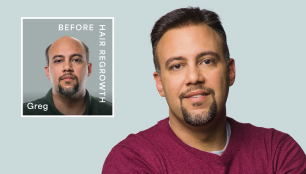
Prevention & Regrowth
Stop hair loss early with clinically proven therapies including laser therapy, topical treatments, and PRP.
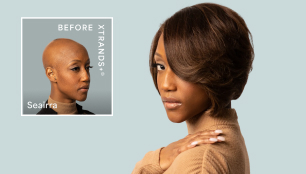
Hair Replacement (Xtrands+)
Non-surgical, natural-looking hair that’s immediate and permanent. Custom-fitted at your local center.
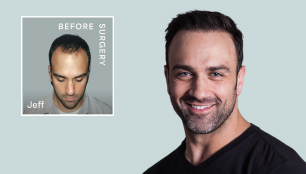
Hair Transplant Surgery
The most advanced FUE and FUT procedures, performed by affiliated Bosley Medical Group physicians.