

Content
What Does Non-Surgical and Laser Hair Restoration Cost?
Written By: Hairclub
Key Takeaways
- LLLT is an FDA-cleared, non-surgical treatment for hair loss.
- At-home devices usually cost less long term compared to in-clinic programs.
- Device quality and FDA clearance matter more than price alone.
- Consistency of use and combining treatments often lead to better results.
If you’ve been researching hair loss solutions without surgery, you’ve probably already run into a wall: prices range from a few hundred dollars to several thousand, and it’s hard to tell what’s actually worth it.
Some of that range makes sense once you understand what you’re comparing. But a lot of people end up spending time on a forum or review site, more confused than when they started.
Here’s a plain breakdown of what non-surgical and laser options actually cost, and what drives those differences.

LLLT vs. Other Non-Surgical Options: What You're Actually Choosing
Low-level laser therapy7,8 (LLLT), also known as low-level light therapy, is one of the most well-researched approaches for people dealing with hair loss. It works by delivering light energy to the scalp to support hair density in areas that have started to thin. It’s FDA-cleared for both male and female pattern hair loss, an important distinction from devices that are marketed without any real clinical backing.
One quick clarification that trips a lot of people up: LLLT is not laser hair removal. Removal uses high-intensity lasers to destroy follicles permanently. LLLT uses low-level light to encourage them. They work in opposite directions.
Beyond laser therapy, non-surgical paths often include topicals, hair loss drugs like finasteride, and combination programs that layer multiple methods together. Each option comes with its own pricing structure and its own tradeoffs.
What Makes Laser Hair Restoration More or Less Expensive
Pricing isn’t fixed. Several real factors push your total up or down.
Where do you go? A hair restoration center in a large city typically charges higher rates than a comparable clinic in a smaller market. That difference often reflects overhead, not quality. A well-run clinic in a mid-size city can deliver the same standard of care at a lower price point.
Device type and setting. In-clinic laser programs use medical-grade equipment with professional oversight. A single in-office treatment can run $150 to $500 or more, and most providers recommend a full course spanning several months to see meaningful hair growth.
At-home devices, laser caps, laser helmets, and handheld wands come with a one-time purchase price. The average quality device runs $500 to $3,000. That sounds expensive upfront, but over time it’s often the more affordable path for people who want consistent use without ongoing clinic fees.
Add-ons. Many programs combine laser therapy with additional services like PRP or medical-grade topicals. Each layer adds to your overall total.
At-Home Laser Devices vs. Professional Programs
The advantage of an at-home cap or helmet is independence. You use it on your own schedule, in your own home. A well-built device with solid FDA clearance and a good diode count is the equivalent of consistent professional visits in terms of cumulative light delivery, without the per-visit fees.
Going to a professional establishment gives you something different: guidance. A trained specialist can track your progress, adjust your program, and help you decide whether laser should be used as a standalone approach or as an adjunct to something else.
Neither path is automatically right. It depends on how consistent you’ll be, where you are in your hair loss journey, and whether you want professional support or prefer to manage things on your own.
The growing interest in at-home devices has also brought a wave of new brands to the market, some strong, some not worth the price. Research the specific device before you buy. Not all caps are clinically equivalent, and cheaper doesn’t always mean a worse deal.
What Real People Are Actually Paying
For at-home laser devices, the most commonly reported range is $500 to $2,500. Once you own one, ongoing costs are minimal, no per-session charges, no monthly fees tied to the device itself.
For in-clinic programs, most centers base their pricing on the full course rather than individual visits. A complete program can run $1,500 to $5,000 or more, depending on location, how many visits are included, and what’s part of the service.
For context, a hair transplant1 typically starts around $4,000 and can go significantly higher depending on the extent of hair loss and method. Non-surgical laser treatment sits well below that range, and for hair loss patients who are good candidates, it can support real, visible improvements without going under the knife.
Where People Go Wrong When Comparing Prices
Treating all laser devices the same
A $200 laser comb and a $2,500 medical-grade cap are not the same product. Diode count, coverage area, clinical evidence, and FDA clearance all matter. Price alone won’t tell you which is better for your hair.
Forgetting ongoing costs
Some devices have parts that need replacing. Some programs include follow-up care that isn’t in the base price. Build those in before you decide.
Skipping the consultation
Reading online is useful, but a photo or testimonial from someone with a different hair type and skin situation doesn’t tell you what’s likely to work for you. Most reputable providers offer free consultations, and that’s how you find out whether you’re actually a good candidate for laser treatment.
Chasing the lowest number
A lower-priced option that doesn’t match your type of hair loss won’t deliver the results you’re hoping for. The goal is finding the right fit at a fair price, not just the cheapest thing available.
Frequently Asked Questions
Is laser hair restoration covered by insurance?
Most insurance plans treat hair restoration as cosmetic and don’t cover it. Some FSA or HSA accounts may allow pre-tax dollars for certain medical-grade treatments; check with your plan directly.
Can I use laser therapy alongside other treatments?
Yes, and many providers actually recommend it. Laser therapy is often used as an adjunct to treatments like finasteride or topical minoxidil3 because combining approaches tends to support better overall results. A specialist can help you figure out the right combination for your situation.
What's the difference between a laser cap and a laser helmet?
The terms are used interchangeably by most brands. Both are at-home LLLT devices designed to deliver low-level light energy to hair follicles. What matters more than the name is the diode count, coverage area, and whether the device has FDA clearance.
How long before I see results?
Laser therapy works gradually. Most people start to notice changes in hair density after three to six months of consistent use. Patience and consistency matter more than any single treatment.
How do I find a reputable provider?
Look for established clinics or centers with trained specialists and a documented track record. Ask to see before-and-after photos, read reviews, and check credentials. A good provider will give you honest expectations, not promises they can’t back up.
Is financing available for laser hair restoration programs?
Many providers offer payment plans or financing options. If upfront cost is a concern, it’s worth asking when you schedule your consultation.
Moving Forward
Non-surgical and laser hair restoration pricing varies for real reasons. Where you go, what you choose, and what you combine it all will shape what you end up paying.
The best starting point is a conversation with someone who can look at your hair, understand your goals, and tell you what’s realistic for your situation.
HairClub offers free consultations at 100+ locations across North America.
No pressure, no commitments, just an honest look at your options and a clear picture of what’s possible for you.
Authors

HairClub
Hair Loss Specialist, Trichology Cert. | HairClub Content Team
Dr. Angela Phipps
Board-Certified Dermatologist | Medical Reviewer
Serves as HairClub’s medical advisor and hair restoration surgeon, specializing in both surgical and non-surgical treatments for hair loss in men and women.
Related Articles
Written By: Hairclub
Written By: Hairclub

Written By: Hairclub
Come see a Hair Loss Specialist to find out which of our cutting-edge solutions is right for you
or call 1-800-HAIRCLUB
Find the Right Solution Near You
From prevention to full restoration, we match you with the right approach at a center near you.
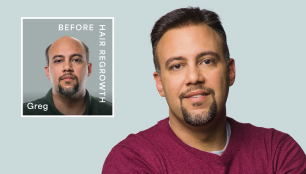
Prevention & Regrowth
Stop hair loss early with clinically proven therapies including laser therapy, topical treatments, and PRP.
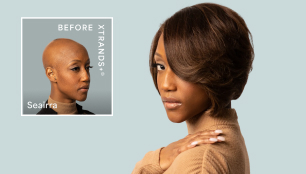
Hair Replacement (Xtrands+)
Non-surgical, natural-looking hair that’s immediate and permanent. Custom-fitted at your local center.
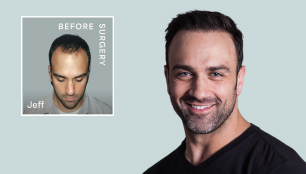
Hair Transplant Surgery
The most advanced FUE and FUT procedures, performed by affiliated Bosley Medical Group physicians.