

Content
What Is a Hair System?
Written By: Hairclub
Key Takeaways
Hair systems are an effective, natural-looking non-surgical hair loss solution.
They can be customized for any stage or type of hair loss.
Free consultations help you choose the right solution for your needs.
A hair system is one of the most effective non-surgical options available for hair loss today. The materials, attachment methods, and customization have all improved significantly, and when installed and maintained properly, the results can look completely natural.
Whether you’re dealing with early thinning, pattern baldness, alopecia, or more significant baldness, a hair system can be sized and styled to fit your situation. You don’t need to wait for hair loss to reach a certain point before exploring your options.
HairClub offers free consultations with specialists who work with hair systems every day. They can look at your specific situation, walk you through base material choices, and help you figure out whether a hair system, or another non-surgical solution for hair loss, is the right fit for your individual needs. No pressure, no obligation.
A hair system is not quite a wig, nor is it a toupee; it’s a lot more customized than either of those.
A hair system is a non-surgical solution for hair loss built from human or synthetic hair attached to a thin base material, which is then secured to your scalp. Done well, the result can be virtually undetectable, even to people who see you every day.
This guide to hair systems covers how they’re made, what different base material options mean in practice, how attachment works, how long they last, and what separates them from a wig, toupee, or other hairpiece options.

What a Hair System Actually Is
A hair system is built from human or synthetic hair, hand-woven or ventilated onto a thin base. That base sits directly on the scalp and is held in place with tape or adhesive. A stylist then cuts and blends the system so it integrates with your existing hair.
Unlike a wig, which sits over the entire head, a hair system is typically sized to cover the specific area where pattern baldness or thinning has occurred, usually the crown and top of the scalp. And unlike the toupees and wigs of previous decades, modern hair systems are built to match your natural hair in color, texture, density, and curl pattern with a level of precision that older options simply couldn’t offer.
The goal is a natural look that fits into daily life without limitation. Most wearers can shower, exercise, swim, and style their hair as normal after professional installation.
What a Hair System Is Made Of
Every hair system has two components: the base and the hair. Both are selected based on your individual needs, hair loss pattern, and lifestyle factors.
The Base Material
The system base is the foundation the hair strands are attached to. It sits against the scalp, and the base material choice affects how the hair system looks, feels, and how long it lasts.
Lace
Lace is a thin mesh fabric, usually nylon or polyester, and one of the most popular choices for hair systems for men. Lace hair systems are breathable, lightweight, and allow the scalp to ventilate throughout the day. French lace is a particularly fine option that lies flat against the skin and creates a hairline that’s extremely difficult to detect.
Lace systems need more careful handling than polymer bases. The lace hair base is delicate and won’t hold up as long under rough conditions. But for wearers who prioritize a natural-looking hairline above everything else, lace hair systems remain the top choice.
Polyurethane (Poly)
Polyurethane, often called poly or a skin base, mimics the appearance of actual skin. It’s more durable than lace and bonds cleanly with liquid adhesives or tape, giving it a longer lifespan. A poly system can last several months with consistent care.
The trade-off: poly isn’t as breathable as lace and can feel warmer in hot weather. Many hair systems use a combination of French lace at the front for a natural hairline, with a polyurethane perimeter for a strong, lasting bond.
Monofilament
Monofilament uses a thin, semi-transparent fabric that creates the appearance of hair strands growing directly from the scalp. It sits between lace and poly in durability and breathability, a solid middle-ground for wearers who want both longevity and a realistic appearance.
| Base Material | Natural Look | Breathable | Lifespan |
|---|---|---|---|
| French Lace | Very High | Excellent | Short (1-3 mo) |
| Standard Lace | High | Very Good | Short-Medium |
| Monofilament | High | Good | Medium |
| Polyurethane (Poly) | Medium | Low-Medium | Long (3-6 mo) |
| Skin Base | Medium-High | Low | Long |
The Hair
The hair in a hair system is either human hair or synthetic hair. Human hair looks and behaves the most naturally; it can be cut, styled, colored, and bleached just like bio hair. Grey hair options are available for wearers who want to match naturally lighter tones.
Synthetic hair is typically more affordable but has some heat-styling limitations. Higher-quality synthetic options have improved a lot and can look very convincing for everyday wear. In both cases, hair density, texture, wave pattern, and color are all matched to your natural hair as closely as possible.
How a Hair System Is Attached
Attachment methods vary depending on the base material and the wearer’s lifestyle. Most hair systems are secured with tape or adhesive applied around the perimeter of the base. Liquid adhesives provide a strong hold for wearers with active routines. Tape works well for people who prefer a cleaner removal process between maintenance cycles.
Professional installation by a trained stylist makes a significant difference in how natural-looking the result is. After the hair system is secured to the scalp, the stylist gives a haircut that blends the system with your existing hair and shapes the hairline to look realistic from every angle.
At HairClub, our specialists handle the adhesive application, the blending haircut, and all follow-up maintenance, which is a big part of why the results tend to look more natural than self-installation approaches.
Lace vs. Poly: Which Base Is Right for You?
Choosing between lace hair systems and a poly or skin base system comes down to what matters most to you.
If a natural-looking hairline is the priority, and you’re comfortable with more careful maintenance, a lace hair system, especially French lace, creates an edge that’s undetectable even in close-up photos. Lace systems are breathable and lightweight, which most wearers prefer for daily comfort.
If durability matters more, a poly system or skin base offers a longer lifespan and holds up better to daily wear and activity. Some people rotate between the two: a lace hair system for special occasions and a poly system for everyday use.
A specialist can look at your scalp, your existing hair, and your lifestyle factors to help you figure out which base material fits your individual needs.
How Long Does a Hair System Last?
Lifespan depends on the base material, how carefully you maintain the system, and your day-to-day lifestyle factors. A lace system, handled with care, typically lasts one to three months. A poly or skin-based system may last three to six months. Stock hair systems, pre-made units not customized to a specific wearer, often have a shorter lifespan than custom-made options.
Things that extend the life of a hair system:
- Avoiding hot water and high-heat styling tools
- Using gentle, sulfate-free shampoos
- Sleeping on a satin pillowcase to reduce friction on the system base
- Going easy on styling products, buildup weakens the base bond over time
Things that shorten it:
- Rough handling during adhesive removal
- Chlorinated or salt water without thorough rinsing afterward
- Harsh shampoos or products containing alcohol
- Brushing the hair when wet
Regular maintenance visits with a stylist also help. At those appointments, the adhesive is removed, the base is cleaned, and the system is rebonded, keeping everything secure and looking its best.
Hair Systems vs. Toupees, Wigs, and Hairpieces
The terminology gets confusing quickly. A toupee, a wig, a hairpiece, and a hair system all refer to some form of added hair, but they’re not the same thing.
A toupee traditionally meant a small hairpiece used by balding men to cover the crown. A wig covered the full head. Both toupees and wigs carried a reputation for looking artificial, and in older versions, that wasn’t entirely unfair.
Modern hair systems are the evolution of those older concepts. A hair replacement system today is custom-built to your head shape, natural hair color, hair density, and base preference. The materials, including French lace, monofilament, and thin polyurethane, produce results that are far more natural-looking than what older toupee and wig technology could achieve.
You’ll also see non-surgical hair replacement used as a broader term that includes hair systems along with other non-surgical options. At HairClub, we use hair systems because that’s what it is: a complete hair replacement solution designed to look and function like natural hair.
Who Can Wear a Hair System?
Hair systems for men are the most common application, particularly for pattern baldness and general thinning. But hair systems aren’t limited to men or to any one type of hair loss.
People dealing with alopecia, baldness from chemotherapy, or thinning that doesn’t respond to medications like propecia (finasteride, which targets DHT) are all potential candidates. Bald men with little or no remaining hair can wear a full hair system, while those with partial balding can use a smaller system that blends with their natural hair on the sides and back.
Hair systems are a non-invasive option for people who aren’t ready for or interested in surgical hair restoration. They’re a non-surgical solution you can start at any stage; you don’t need to wait for hair loss to worsen before looking into your options.
Some people also use a hair system alongside other hair loss solution approaches as part of a broader plan. A specialist can help you figure out what combination makes sense for your situation.
Frequently Asked Questions
What's the difference between a hair system and a wig?
A wig covers the entire head. A hair system is typically built to cover a specific area of hair loss and blend with your existing hair underneath. Modern hair systems are also far more customized, matched to your exact hair density, color, and texture, which is what makes them more natural-looking than traditional toupees and wigs.
Are hair systems only for men?
Hair systems for men are the most common use case, particularly for pattern baldness. But women dealing with alopecia or significant thinning also use them. The base material, hair density, and attachment methods are all adjusted to fit individual needs.
Can you shower, swim, and exercise with a hair system?
Yes. A properly attached hair system secured with quality tape or adhesive holds up through daily activity, including showering and exercise. Swimming is possible, though chlorinated or salt water requires thorough rinsing afterward to protect the system base and hair strands.
How do I choose the right base material?
It depends on your priorities. Lace hair systems — especially french lace — offer the most natural hairline and are breathable, but need more careful handling. Poly and skin base systems are more durable and easier to manage daily. A stylist who specializes in hair systems can assess your scalp, lifestyle factors, and hair loss pattern to point you in the right direction.
Can a hair system be cut and styled like real hair?
Yes. After professional installation, a stylist gives you a haircut that blends the hair system with your natural hair. Systems using human hair can also be colored, bleached, and heat-styled. Synthetic hair has some heat limitations but can still be worked into most hairstyles.
Take action early for the best outcome
Book your free consultation and get personalized guidance built around what your situation actually calls for.
Authors

HairClub
Hair Loss Specialist, Trichology Cert. | HairClub Content Team

Dr. Angela Phipps
Board-Certified Dermatologist | Medical Reviewer
Serves as HairClub’s medical advisor and hair restoration surgeon, specializing in both surgical and non-surgical treatments for hair loss in men and women.
Related Articles
Written By: Hairclub
Written By: Hairclub
Written By: Hairclub
Come see a Hair Loss Specialist to find out which of our cutting-edge solutions is right for you
or call 1-800-HAIRCLUB
Find the Right Solution Near You
From prevention to full restoration, we match you with the right approach at a center near you.
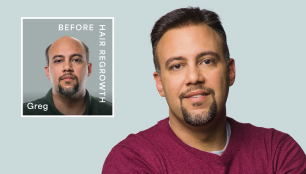
Prevention & Regrowth
Stop hair loss early with clinically proven therapies including laser therapy, topical treatments, and PRP.
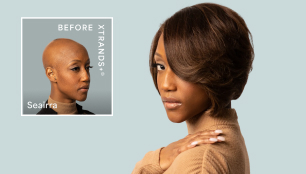
Hair Replacement (Xtrands+)
Non-surgical, natural-looking hair that’s immediate and permanent. Custom-fitted at your local center.
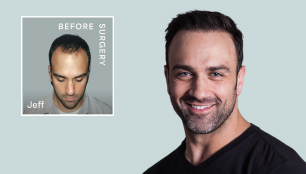
Hair Transplant Surgery
The most advanced FUE and FUT procedures, performed by affiliated Bosley Medical Group physicians.