


Content
Hair Restoration vs. Hair Replacement: Key Differences Explained
Written By: Hairclub
- Hair restoration uses your natural hair through treatments like transplants, PRP, or medications to encourage real hair growth.
- Hair replacement uses custom hair systems to instantly cover hair loss without surgery or recovery time.
- Hair transplants offer long-term results but require healing time and enough donor hair to be effective.
- Hair systems work for more people, especially those with advanced hair loss or who want immediate results without surgery.
If you’ve been researching hair loss solutions, you’ve probably run into “hair restoration” and “hair replacement” used almost interchangeably. They’re not the same thing, and that confusion can make an already stressful decision feel even harder.
Understanding the differences between hair restoration and hair replacement isn’t just helpful; it can save you time, money, and a lot of second-guessing. If you’re starting to notice your hair thinning, dealing with balding areas that have grown over time, or trying to figure out why you continue to lose hair at all, knowing what each approach actually involves puts you in a much better position.
Here’s a look at both options, what they involve, and how to start thinking about which direction might fit your goals.
What Is Hair Restoration?
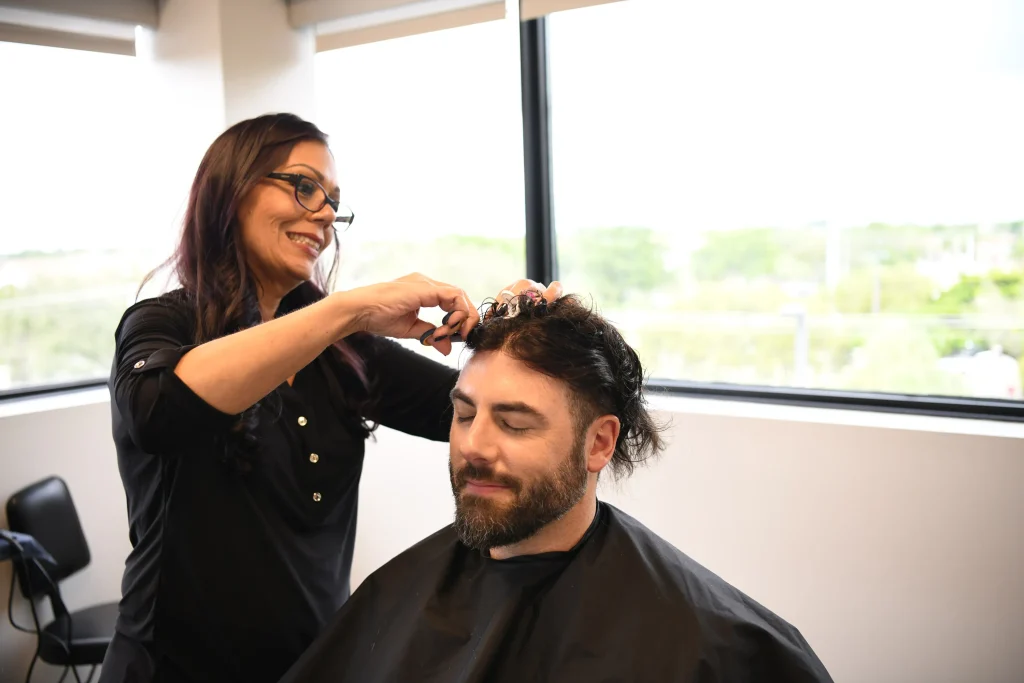
Hair restoration refers to any treatment or procedure designed to rebuild or stimulate your own natural hair growth. These approaches work with your body, either encouraging your scalp and hair to produce more growth on its own or surgically relocating your own hair follicles to areas where hair has thinned or stopped growing.
The most recognized form is hair transplant surgery1. During a hair transplant procedure, a hair restoration specialist takes donor hair by removing healthy hair follicles from one part of the scalp and placing them into balding areas. The donor area is typically the back or sides of the head, where hair tends to stay thicker and more resistant to loss. Those transplanted hair follicles then settle in and, for the right candidate, begin producing new hair growth over the months that follow.
There are two main types of hair transplants:
- Follicular unit transplant (FUT): A strip of scalp tissue is removed from the donor area, separated into individual follicular unit grafts, and placed into recipient areas of the scalp.
- Follicular unit extraction (FUE): Individual hair follicles are removed one at a time directly from the scalp. An FUE hair transplant tends to leave less visible scarring and is generally considered less invasive than strip-based surgery.
Hair restoration treatments go beyond surgery, too. PRP hair restoration, topical medications, and low-level laser therapy7,8 are among the non-surgical options that can support hair regrowth and slow further hair thinning. These tend to be most effective at earlier stages of hair loss, and results vary depending on the individual and the types of hair loss involved. A provider can help put together a hair restoration treatment plan that reflects your specific situation.
What Is Hair Replacement?
Hair replacement takes a completely different path. Rather than working with your own hair follicles, hair replacement uses an external solution to cover areas where hair is replaced with a custom-crafted piece worn directly on the scalp.
A hair system, also called a hair replacement system, is built to match your natural hair color, texture, and hair density. Modern sophisticated hair systems are made with real human hair or synthetic hair fibers, and they’ve come a long way from the outdated hairpieces most people picture. When a hair system is well-fitted and properly maintained, it can deliver a fuller head of hair that looks and moves like hair you’ve always had.
Hair replacement restores hair without surgery. No donor hair is required, there’s no surgical procedure involved, and you don’t have to wait for hair to grow before seeing results. That makes it a practical option for people who prefer to avoid surgery or who aren’t candidates for a hair transplant.
Hair replacement is also commonly chosen in cases where the degree of hair loss is more advanced. When the amount of hair loss is significant, and there isn’t enough donor hair available for effective hair grafting across the affected areas of the scalp, a hair system may be the more realistic path to a natural-looking result.
Comparing Hair Restoration and Hair Replacement: What Actually Differs
The simplest framing: hair restoration works with what your body can produce; hair replacement works by adding hair from outside your body. Both can effectively address hair loss. The right choice depends on your individual situation.
Permanence and Maintenance
A hair transplant is a surgical hair procedure with long-term results. Once transplanted hair follicles take hold, the hair behaves like natural hair growth. It grows, can be cut and styled, and doesn’t require special daily care. Hair replacement systems, on the other hand, require ongoing upkeep. The system needs to be cleaned, reattached periodically, and eventually replaced as it wears over time.
Who It’s Right For
A hair transplant is a better fit for people with moderate and defined hair loss, adequate donor hair at the back or sides of the head, stable hair loss, and realistic expectations. If you have very limited donor hair, certain types of hair loss that don’t respond to hair transplantation, or health conditions that complicate surgery, hair restoration through transplant may not be the most effective hair restoration method for your situation. Hair replacement can work for a broader range, including more advanced or widespread hair loss.
Recovery and Timeline
Hair transplant surgery comes with a recovery period. The scalp needs time to heal, and transplanted hair typically sheds before it begins to regrow, meaning you may not see meaningful results for 9 to 18 months. That’s not a flaw in the process, it’s how natural hair growth after hair transplantation works. Hair replacement delivers an immediate result with no downtime.
Cost Over Time
Hair transplants typically require a higher upfront investment. Once the procedure is complete, however, many patients find the overall hair maintenance costs are lower in the long-term. Hair systems have a lower initial cost but need regular maintenance and eventual replacement. Over several years, the overall hair-related expenses of each approach can be more comparable than the initial numbers suggest.
Which Option Might Be Right for You?
Both approaches can deliver real results. The advantage of a hair transplant is that it can offer a permanent solution to hair loss for candidates who qualify, using your own individual hair follicles to rebuild what’s been lost. The advantage of hair replacement is accessibility: it works for a wider range of different types of hair loss, requires no surgery, and provides results right away.
Some people discover why a hair transplant is the better option for them only after exploring what hair replacement involves, and vice versa. There’s no universal answer.
It helps to think about where you are right now. If you’re in the earlier stages of hair loss with good donor density at the back or sides of the head, and you’re open to a surgical path, transplant may be worth a serious look. If your hair loss is more extensive, if surgery isn’t an option, or if you want results without the wait, a hair system is an effective hair restoration option.
The most honest guidance any specialist can give you: the best hair transplant candidate is someone who qualifies well for it. For everyone else, there are effective hair restoration approaches that don’t involve a surgical procedure. A consultation with a hair restoration expert is the clearest way to find out where you stand.
Frequently Asked Questions
Is a hair transplant the same as a hair implant?
These terms are often used to mean the same thing. Hair transplantation involves removing individual hair follicles from a donor area and placing them where hair is absent or thin. “Hair implant” is a colloquial term for the same process. Clinically, you’ll hear “hair transplant” or “hair transplant surgery” more often.
What's the difference between FUT and FUE?
Both are types of hair transplants that work by moving follicular unit grafts from the donor area to areas of the scalp that need coverage. FUT (follicular unit transplant) removes a strip of scalp tissue, while follicular unit extraction (FUE) removes follicles one at a time. FUE typically involves less visible scarring and a quicker recovery, though both methods can produce strong results for the right candidate.
Can hair restoration treatments be combined?
Yes, for some patients. PRP hair restoration, a laser cap or a hair regrowth program, may be incorporated into a broader treatment plan alongside other hair restoration services or as post-surgical support. Whether a combined approach is appropriate for you is something a provider can help determine based on your individual history and goals.
Does a hair system look natural?
Modern hair systems are built with real human hair, customized to your existing hair color, texture, and density. When properly fitted and maintained, they’re much more natural-looking than most people expect. The quality of sophisticated hair systems today is a long way from what many people imagine.
How long does it take for transplanted hair to grow?
Most people begin to notice hair regrowth from transplanted hair follicles between 6 and 12 months after the procedure. Full results typically take closer to 18 months to develop.
What if I'm not a candidate for hair transplant surgery?
A consultation with a hair restoration specialist will give you a clear picture of which options apply to your situation. For people who don’t qualify for surgery, there are non-surgical paths, including hair replacement and other hair loss treatment options, that can still deliver meaningful results.
The Next Step Is a Real Conversation
Hair restoration and hair replacement both treat hair loss. They just take different paths, suit different people, and come with different trade-offs. Neither is universally better, and the right call depends entirely on your individual situation.
If you’re still not sure which direction fits your goals, that’s completely understandable. Most people working through this feel the same way. The differences between hair restoration options only start to feel manageable once someone walks you through what actually applies to your specific hair loss pattern, not a generic overview.
A consultation with a Certified Hair Loss Specialist at HairClub is the most useful next step you can take. You’ll get a clear read on what options are available to you, what to expect, and how to build a plan around your real goals, not a one-size-fits-all answer.
Schedule a consultation today and start your hair restoration journey with the right information.
Authors

HairClub
Hair Loss Specialist, Trichology Cert. | HairClub Content Team

Dr. Angela Phipps
Board-Certified Dermatologist | Medical Reviewer
Serves as HairClub’s medical advisor and hair restoration surgeon, specializing in both surgical and non-surgical treatments for hair loss in men and women.
Related Articles
Written By: Hairclub
Written By: Hairclub

Written By: Hairclub
Come see a Hair Loss Specialist to find out which of our cutting-edge solutions is right for you
or call 1-800-HAIRCLUB
Find the Right Solution Near You
From prevention to full restoration, we match you with the right approach at a center near you.

Prevention & Regrowth
Stop hair loss early with clinically proven therapies including laser therapy, topical treatments, and PRP.
Hair Replacement (Xtrands+)
Non-surgical, natural-looking hair that’s immediate and permanent. Custom-fitted at your local center.
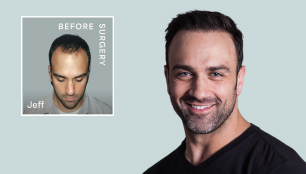
Hair Transplant Surgery
The most advanced FUE and FUT procedures, performed by affiliated Bosley Medical Group physicians.