


Content
Hair Restoration for Alopecia: Understanding Your Options
Written By: Hairclub
Key Takeaways
- Alopecia isn’t one condition — different types cause different patterns of hair loss.
- A proper diagnosis is essential for choosing the right treatment.
- Treatments range from medications and PRP to transplants1 and hair systems.
- Early treatment can help prevent permanent hair loss.
Alopecia isn’t one thing. It’s a term that covers several different types of hair loss, each with its own causes, patterns, and outcomes. If you’ve been told you have alopecia or you suspect you might, the next question is usually the same: what can actually be done about it?
That’s what this article is for. A clear, honest look at what different types of alopecia mean, how they affect hair loss, and what restoration options are out there for people who want to take action.
Understanding where you’re starting is the single most important step. The right treatment for alopecia depends entirely on which kind of hair loss you’re dealing with.
What Is Alopecia?
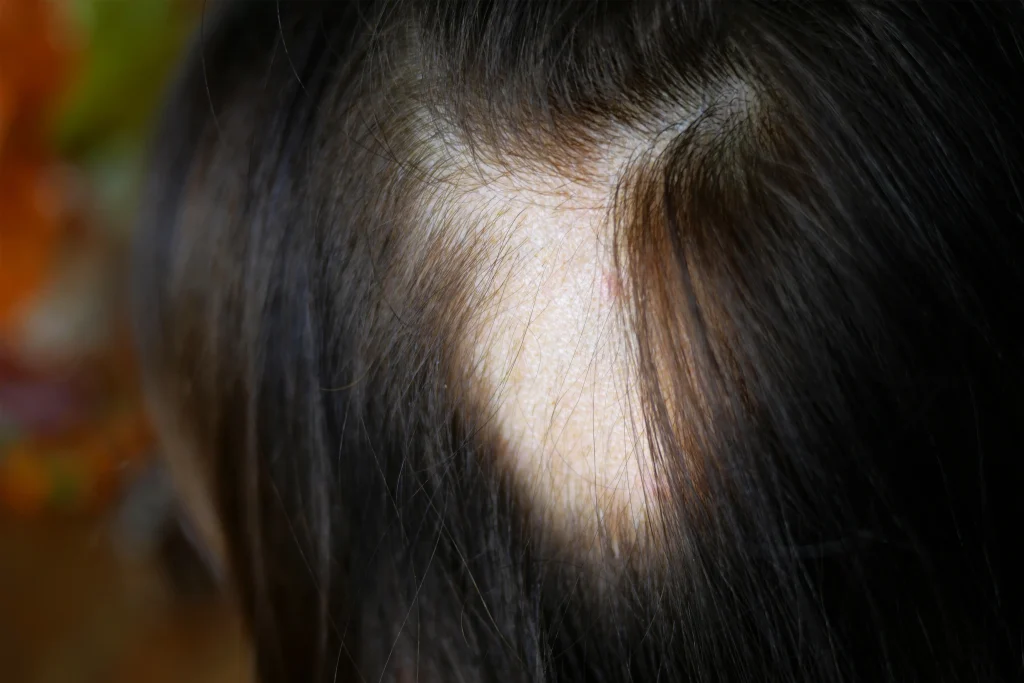
Alopecia is the medical term for hair loss. It can affect the scalp, eyebrows, eyelashes, or body hair, and it shows up in very different ways depending on the type. Some people notice patchy hair loss in a few spots. Others experience diffuse hair loss across the whole scalp. In more severe cases, alopecia can lead to the complete loss of hair on the scalp (alopecia totalis) or across the entire body (alopecia universalis).
The range is wide, which is why diagnosis and treatment have to start with understanding which type of alopecia you’re dealing with. The pattern of hair loss, your history of hair loss, and how quickly hair is falling out all factor into what comes next.
The Different Types of Alopecia
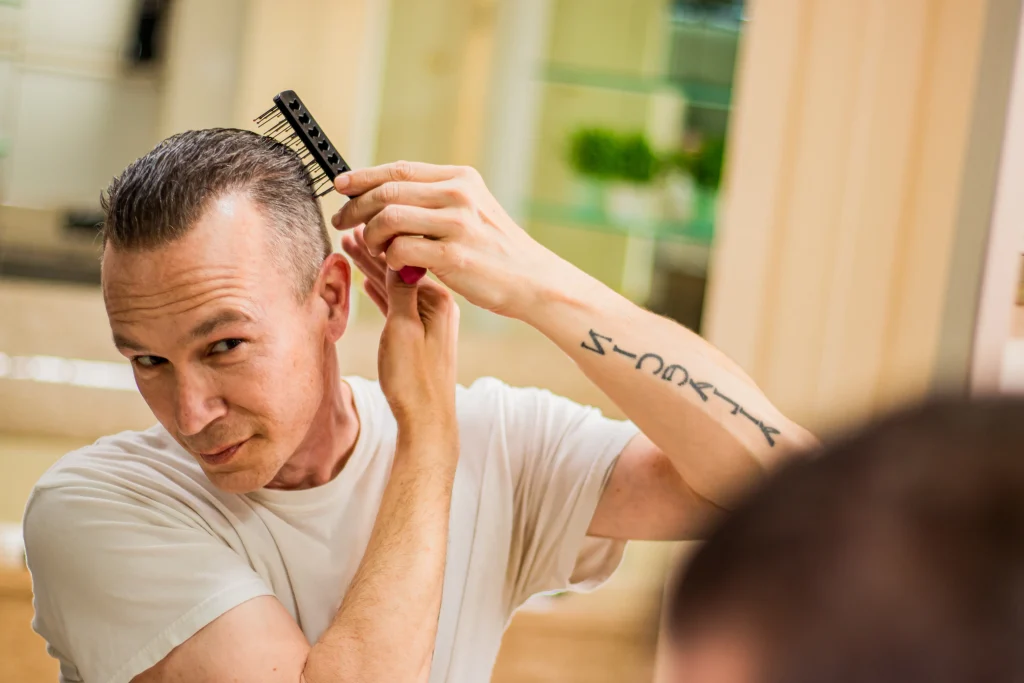
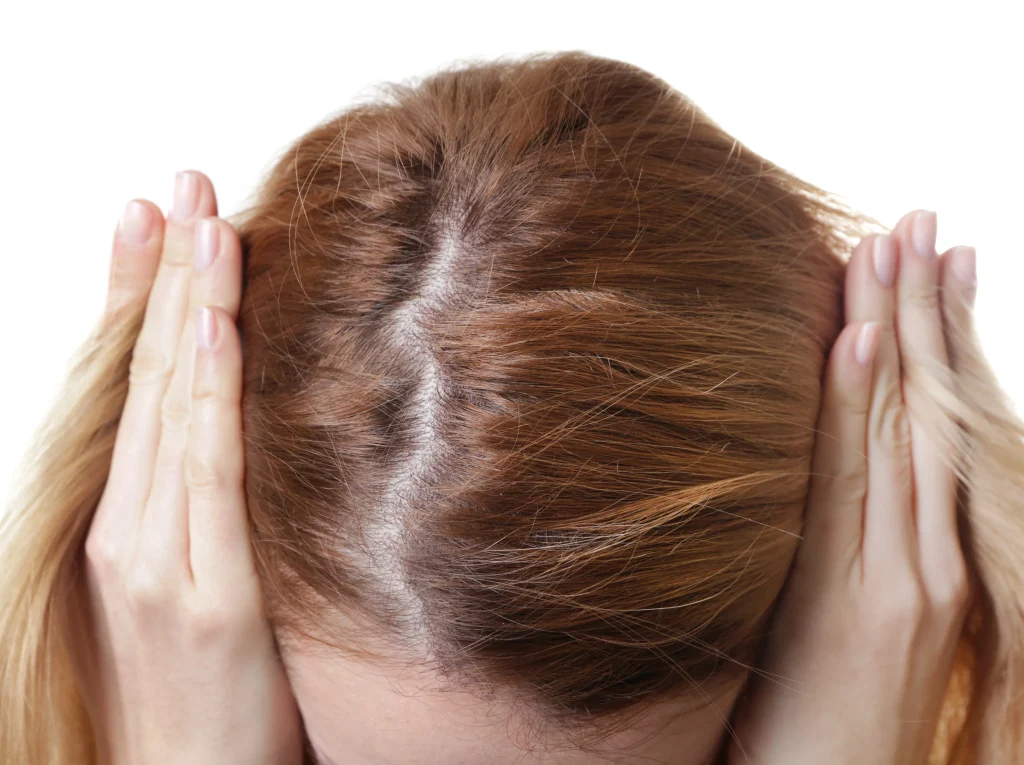
Androgenetic alopecia is the most common type of hair loss. Also called androgenetic alopecia in men or female pattern hair loss in women, it’s driven by genetics and hormonal factors. It tends to follow a recognizable pattern of thinning hair over time, a receding hairline or thinning at the crown for men, and broader thinning across the top of the scalp for women.
Alopecia areata is an autoimmune condition where the immune system mistakenly targets hair follicles, causing patchy hair loss. It can affect people of any age. For some, alopecia areata may resolve on its own, but for others, it progresses. Patients with alopecia areata who experience spreading patches may develop severe alopecia areata, where large sections of scalp hair are affected.
Traction alopecia develops when repeated tension on hair, from tight braids, extensions, or ponytails, damages hair follicles over time. It’s largely preventable, but if the hair care habits that caused it haven’t changed, some follicle damage can become lasting.
Central centrifugal cicatricial alopecia (CCCA) is a scarring type that starts at the crown and spreads outward. It can cause permanent hair loss if inflammation goes untreated, which makes early action especially important.
What Causes Alopecia?
The cause of hair loss depends heavily on the type. With androgenic alopecia, the hair follicle miniaturizes over time under the influence of androgens. Each cycle of growth produces a thinner, shorter hair shaft until the follicle stops producing hair entirely.
Alopecia areata is immune-driven. The immune system marks hair follicles as a target and disrupts the growth cycle. What triggers it, stress, illness, or genetics, isn’t always clear, but ongoing research has given doctors better tools to treat alopecia areata than existed even a decade ago.
For traction alopecia, the cause of hair loss is mechanical: prolonged tension on the hair root. The follicle can often recover if the tension stops early enough. Scarring types like CCCA involve inflammation that destroys the follicle itself, which is why early diagnosis and treatment matter more here than with any other type of alopecia.
Why Diagnosing Hair Loss Correctly Is the Starting Point
Diagnosing hair loss properly is the foundation of any effective treatment plan. The right treatment for alopecia is never generic, what works for androgenetic alopecia won’t treat alopecia areata, and vice versa.
A specialist will typically look at the pattern of visible hair loss, take a thorough history, and examine the scalp up close. For scarring alopecia, a biopsy may be needed to confirm the diagnosis and treatment direction. Understanding whether you’re experiencing rapid hair loss or gradual thinning also matters for how urgently you act.
Getting the diagnosis right early matters. Once a hair follicle is destroyed by scarring, regrowing hair in that area isn’t possible with current options. Acting early can prevent further hair loss and protect what’s still there.
Hair Loss Treatment Options for Alopecia
Medical Treatments
For androgenetic alopecia, FDA-approved medications are a common treatment starting point. Minoxidil3 can slow the rate of hair loss and, for some people, stimulate hair regrowth over time. Finasteride works on the hormonal side for men, reducing DHT, the androgen that drives follicle shrinkage in androgenetic alopecia in men. Both work best when started before hair loss becomes extensive. Treatment for alopecia areata often involves corticosteroid injections into the scalp to quiet the immune response and allow hair to regrow. For people with more severe alopecia areata, a newer class of oral medications has become an approved treatment option with meaningful results in clinical studies. People with alopecia areata who haven’t responded to older treatments now have a broader set of options. For traction alopecia, the most important first step is changing the hair care habits causing the damage. Combined with topical treatments that may stimulate hair regrowth, some people do experience hair regrowth within several months of treatment, depending on how much follicle damage has already occurred.PRP Therapy
Platelet-rich plasma (PRP) therapy uses growth factors from your own blood, injected into the scalp where hair is thinning. It may stimulate hair follicle activity and promote new hair growth for some people. Results vary, and it’s typically done in a series of sessions. For the right candidate, PRP can be a useful addition to a broader hair restoration plan.Hair Transplant
A hair transplant1 moves hair follicles from a donor area to places where hair on your scalp has thinned or stopped growing. Hair transplantation is generally best suited to people with stable hair loss, where the loss has plateaued rather than continuing actively. For those with androgenetic alopecia and enough donor hair, a hair transplant procedure can produce natural-looking, lasting results. It’s not typically recommended as a treatment for alopecia areata, because the autoimmune process can affect transplanted follicles too. A specialist can determine whether a transplant is a realistic path for your situation.Non-Surgical Hair Replacement
For people dealing with more extensive hair loss or those who aren’t candidates for surgery, non-surgical hair replacement systems offer an immediate solution. These are custom hair systems matched to your natural hair color, texture, and hair density. They can be a practical choice while other treatments are underway, or a longer-term path for people who prefer to avoid a medical route. Hair may not be regrowing yet, but you don’t have to wait to look and feel like yourself again.What to Realistically Expect
Hair restoration is rarely fast. Most medical treatments take months before any visible change shows up, and many need to be continued long-term to maintain results. Hair regrowth within a few months of starting treatment is possible for some people, but it’s not guaranteed. Hair transplant results typically develop fully over 12 to 18 months.
The goal isn’t just to regrow hair, it’s to find the right fit for your situation. Some people want to slow hair loss before it gets worse. Others want to experience hair regrowth as fully as possible. Some want to feel confident right now, without waiting on medical timelines. All of those are real goals, and the path forward looks different for each one.
What doesn’t change: the earlier you get a handle on what kind of treatment is right for your type of alopecia, the more options you’ll have.
Frequently Asked Questions
Can people with alopecia areata regrow their hair?
For many people, yes. In mild or early cases, alopecia areata may resolve on its own, and hair may regrow without treatment. For more extensive cases, treatment significantly improves the odds. People with alopecia areata who pursue treatment for severe cases, have seen meaningful regrowth. Results depend on the individual and how the condition responds.
Is a hair transplant a good option for treating alopecia areata?
Generally not the first choice. Because alopecia areata is driven by the immune system, transplanted follicles can be affected by the same process. Transplant is better suited to stable hair loss conditions. A specialist will assess whether the condition has stabilized before any transplant discussion.
What's the difference between alopecia totalis and alopecia universalis?
Alopecia totalis refers to the complete loss of hair on the scalp. Alopecia universalis means hair loss extends to hair on your body as well, including eyebrows, eyelashes, and body hair. Both are more severe progressions of alopecia areata.
How do I know which hair loss treatment options are right for me?
The honest answer is: it depends on your type of alopecia, how advanced it is, and your goals. There’s no shortcut around an actual evaluation. A clinic for hair loss with experience across different types can give you a real picture of what’s available for your situation specifically.
Can alopecia lead to permanent hair loss?
It depends on the type. Androgenetic alopecia and alopecia areata don’t typically destroy the hair follicle permanently, which means treatment of androgenic alopecia or immune-based hair loss can still be effective. Scarring types like CCCA can cause permanent hair loss if the follicle is destroyed, which is exactly why early diagnosis and treatment is so important with those types.
How soon might I see new hair growth after starting treatment?
Most people see hair growth within three to six months with medical treatments, though some take longer. A realistic treatment plan will set expectations based on your specific situation rather than a general timeline.
Ready to Get a Clearer Picture?
Alopecia looks different for everyone who experiences it. Whether you’re dealing with rapid hair loss from an autoimmune flare, gradual thinning from pattern hair loss, or scalp hair damage from years of tension styling, real options exist. The key is understanding your specific type of alopecia and finding an approach that actually fits.
HairClub specialists work with people across a wide range of alopecia types to find a solution for hair restoration, including our exclusive Xtrands+ hair restoration system. If you’re ready to stop guessing and get a hair restoration solution to suit your type of alopecia, a consultation is a good place to start. You don’t have to figure it out on your own.
Book a free consultation today at one of over 100+ HairClub locations across North America.
Authors

HairClub
Hair Loss Specialist, Trichology Cert. | HairClub Content Team

Dr. Angela Phipps
Board-Certified Dermatologist | Medical Reviewer
Serves as HairClub’s medical advisor and hair restoration surgeon, specializing in both surgical and non-surgical treatments for hair loss in men and women.
Related Articles
Written By: Hairclub
Written By: Hairclub

Written By: Hairclub
Come see a Hair Loss Specialist to find out which of our cutting-edge solutions is right for you
or call 1-800-HAIRCLUB
Find the Right Solution Near You
From prevention to full restoration, we match you with the right approach at a center near you.
Prevention & Regrowth
Stop hair loss early with clinically proven therapies including laser therapy, topical treatments, and PRP.
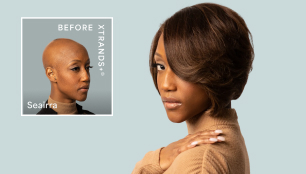
Hair Replacement (Xtrands+)
Non-surgical, natural-looking hair that’s immediate and permanent. Custom-fitted at your local center.
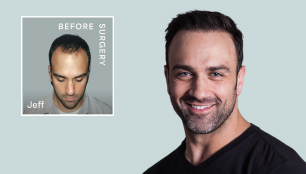
Hair Transplant Surgery
The most advanced FUE and FUT procedures, performed by affiliated Bosley Medical Group physicians.