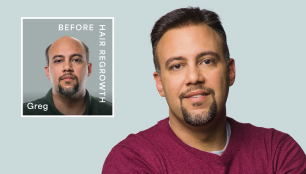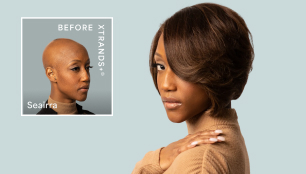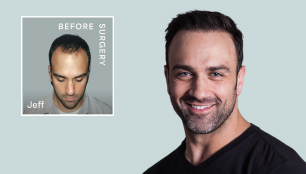

Hair regrowth is possible for many people, especially when thinning is addressed early. Here’s what works, what doesn’t, and where to start.
Key Takeaways:
- Whether hair can grow back depends on the type of hair loss and how early treatment starts.
- The Food and Drug Administration has approved minoxidil3 and finasteride for hair loss; these remain the most evidence-backed starting points.
- Newer options like low-level laser therapy, PRP, and DNA-personalized prescriptions are producing real results for the right candidates.
- Starting treatment earlier consistently produces better outcomes. Waiting rarely helps
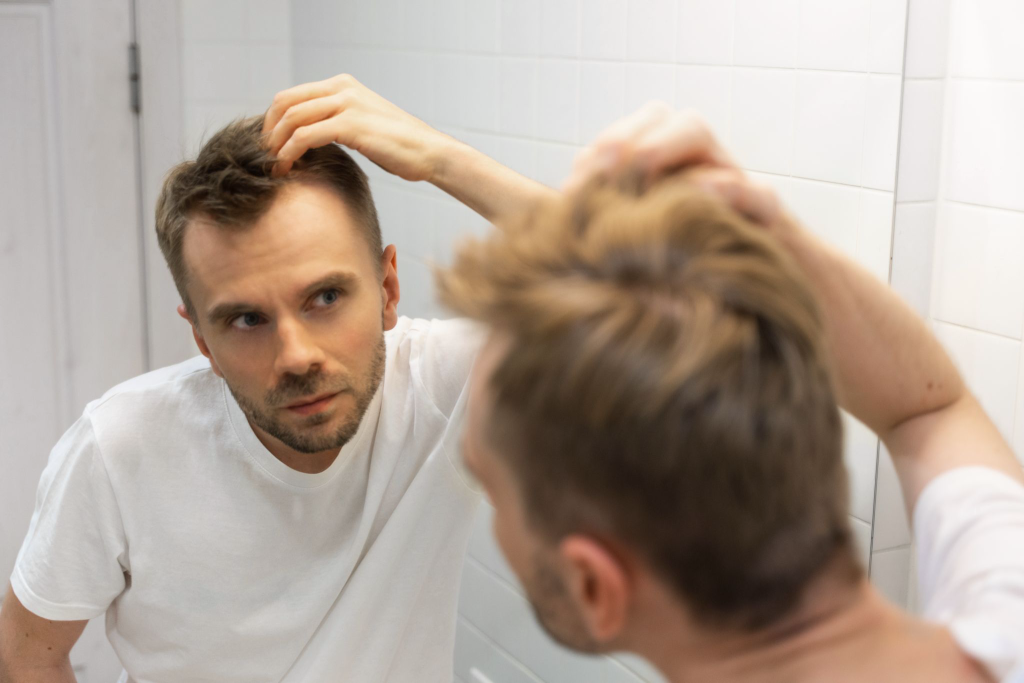
Most people experiencing hair loss want the same answer: Can my hair actually grow back? The short version is that it depends, but that’s more useful than it sounds. Understanding what type of hair loss you’re dealing with is what points you toward treatments with a real chance of working and away from ones that won’t.
Hair regrowth is genuinely possible for many people, especially when addressed early. Thinning hair caused by androgenetic alopecia responds well to several clinically supported options. Even hair loss or thinning hair from temporary causes like stress or nutritional deficiencies can often reverse hair loss once the underlying issue is treated. The goal here is a clear, practical picture of what the treatment options are, what the evidence says, and what to realistically expect.
Why Your Hair Is Thinning: The Most Important Starting Point
Not all hair loss or thinning hair has the same cause, and this is where a lot of people go wrong. They find a treatment that worked for someone else without knowing whether the underlying cause is even the same.
Pattern baldness is the most common type of hair loss in both men and women. It’s driven by DHT (dihydrotestosterone), a hormone that causes hair follicles to shrink over time. In men, it typically shows as a receding hairline or thinning at the top crown area of the head. In women (female pattern hair loss), it usually appears as diffuse thinning across the top of the scalp, with increased severity in the center front zone, or a visualized widening of the center part. Both are hereditary and progressive without treatment.
Telogen effluvium is a temporary hair loss condition triggered by physical stress, surgery, illness, or dramatic diet changes. Hair shedding often increases noticeably, but the loss typically reverses once the trigger is removed. Alopecia areata is autoimmune, producing patchy hair loss that doesn’t follow a predictable pattern.
Central centrifugal cicatricial alopecia is a scarring condition affecting the scalp, particularly in black women, that requires prompt attention to prevent permanent damage. Nutritional deficiencies in iron, zinc, or vitamin D can also contribute to hair thinning, often alongside other conditions that cause hair loss.
FDA-Approved Hair Regrowth Treatments: The Evidence-Based Starting Line
Minoxidil: Available Over the Counter, Clinically Proven
Minoxidil is one of two treatments approved by the Food and Drug Administration specifically for hair loss. It’s available over the counter in liquid or foam format under the brand name Rogaine and as generic minoxidil. Topical minoxidil works by improving blood flow to hair follicles and extending the active growth phase, which slows hair loss and can promote hair growth in treated areas.
The standard topical solution for men is 5%, and women typically use the 5% foam or 2% topical minoxidil. Most people need to use it consistently for three to six months before seeing visible new hair growth.
Scalp irritation is the most common side effect, which is why the foam version tends to be better tolerated than older liquid formulas. Low-dose oral minoxidil is a prescription alternative gaining traction for people who find topical application difficult or need broader coverage across the scalp.
Finasteride, Dutasteride, and Spironolactone: Prescription Medications
Finasteride (Propecia) is the second FDA-approved treatment for hair loss, working by blocking the enzyme that converts testosterone into DHT. Clinical data shows it can slow hair loss and produce increased hair density in men with androgenetic alopecia.
Dutasteride (Avodart) is a stronger, off-label option blocking more of the DHT-producing enzyme pathway, used for men with more significant pattern hair loss. Spironolactone (Aldactone) is commonly prescribed for women, addressing the hormonal drivers of female pattern hair loss without the risks finasteride carries in women.
All three require a prescription and regular provider oversight.
One honest caveat worth knowing: stopping any of these treatments typically reverses the gains one has achieved. They manage hair loss rather than cure it, which is why they’re most effective as part of an ongoing plan rather than short-term intervention.
Natural Ingredients and Supplements: Where They Fit (and Where They Don't)
Biotin is a B vitamin that supports keratin production, and biotin supplementation is widely marketed for hair health. The reality: biotin may help if you’re genuinely deficient, which is uncommon in people eating a normal diet. For hair loss driven by androgenetic alopecia or DHT, biotin alone won’t meaningfully slow hair loss or help regrow hair. That said, it supports overall health and is generally safe as part of a broader regimen.
Rosemary oil has earned more scientific attention than most natural ingredients. Rosemary oil performed comparably to 2% minoxidil at six months for androgenetic alopecia, with less scalp irritation. The evidence base is smaller than for minoxidil, but it’s among the more credible natural ingredients currently studied for hair growth.
Regular scalp massager use during washing may support circulation and follicle stimulation, per small studies. Hair serum products with peptides, caffeine, or saw palmetto can complement a treatment plan. A good shampoo formulated for hair health and scalp care won’t grow hair on its own, but it supports the environment where growth happens. Natural ingredients work best as supporting elements in a plan, not as standalone treatments for meaningful hair loss.
Low-Level Laser Therapy
Low-level laser therapy (LLLT) uses laser light energy to stimulate hair follicles without heat or damage. Low-level laser therapy is FDA-cleared for androgenetic alopecia in both men and women. Results tend toward improved hair density and a reduced rate of hair loss rather than dramatic regrowth from bald areas. At-home laser cap devices make this a practical ongoing growth treatment for many people.
Hair Transplant: When Regrowth Treatments Aren't Enough
A hair transplant1 procedure is a surgical option that relocates hair follicles from areas unaffected by DHT (typically the back and sides of the scalp) to areas of permanent hair loss. It’s the most definitive approach for someone who wants to restore hair where follicles are no longer producing hair on their own.
A hair transplant is best suited for people with stable androgenetic alopecia, sufficient donor hair, and realistic expectations. Results develop gradually over nine to twelve months.
HairClub RX: A Personalized Approach When Generic Treatments Aren't Enough
Most hair loss treatment options are designed as one-size-fits-all solutions. Minoxidil and finasteride work at standard doses for a broad population. For many people that’s a reasonable starting point. But individual biology, genetics, and the specific drivers of hair loss vary, and that variation is exactly what generic treatments don’t account for.
HairClub RX™ is an innovative, hair regrowth program that takes a scientific approach. It starts with a simple cheek swab DNA6 test, analyzed to identify which active ingredients and delivery methods are most likely to produce results for your specific genetic profile.
A licensed telehealth provider reviews your DNA results and medical history and, if appropriate, prescribes a custom, compounded prescription that may include ingredients like minoxidil, finasteride, dutasteride, spironolactone, and others matched to your biology.
The program includes daily, vegan supplements for men or women, a sulfate-free shampoo and hair care line, in-center scalp and hair therapeutic sessions, and quarterly progress monitoring with a HairClub specialist. For people who have tried over-the-counter options without meaningful results, or who want a more targeted treatment for hair loss from the start, it’s worth a conversation about fit.
Frequently Asked Questions
Can thinning hair actually grow back, or is loss permanent?
For many people, yes, hair regrowth is possible, particularly when hair loss is caught early or caused by a temporary factor. Androgenetic alopecia can be slowed and partially reversed with the right treatment options when follicles are still active. Telogen effluvium almost always reverses once the trigger is addressed. Alopecia areata can also regrow. Scarring conditions and longstanding permanent hair loss are harder to reverse, which is why earlier treatment consistently produces better outcomes.
How long does it take to see hair regrowth?
Most treatments require three to six months of consistent use before showing visible results, and fuller regrowth often takes longer. Minoxidil and finasteride both build results gradually over six to twelve months. A hair transplant produces visible results at three to four months with fuller growth at nine to twelve months. PRP and low-level laser therapy also develop over months. Consistency matters more than speed with any of these approaches.
Is biotin actually effective for hair regrowth?
Biotin is a B vitamin that supports keratin production and hair health, but it’s not an effective hair regrowth treatment for androgenetic alopecia or most other types of hair loss unless you have an actual biotin deficiency. Most people getting a normal diet have sufficient biotin levels. It’s a useful supporting supplement for overall hair health and overall health, but it shouldn’t be the primary treatment strategy for someone experiencing meaningful hair loss or thinning hair.
What's the difference between Rogaine and prescription hair loss treatments?
Rogaine is a brand name for minoxidil, which is available over the counter. Prescription treatments like finasteride (Propecia) and dutasteride (Avodart) work through a different mechanism, blocking DHT rather than stimulating follicle activity directly. They target the hormonal root cause of androgenetic alopecia rather than compensating for follicle shrinkage. Many people use both together for complementary effects. A provider can help determine which combination makes sense based on your type of hair loss and health history.
Does low-level laser therapy actually work for hair regrowth?
Low-level laser therapy is FDA-cleared for androgenetic alopecia and shows consistent results in clinical studies. It improves hair density and slows the rate of hair loss rather than producing dramatic new growth from bald areas. It’s a reasonable addition to a broader treatment plan, particularly for people who can’t use or don’t respond well to topical or oral medications. Laser light devices range from in-office systems to at-home laser caps that can be worn several times a week.
Is HairClub RX different from regular prescription hair loss treatments?
Yes. Standard hair loss treatments are prescribed at fixed doses regardless of individual biology. HairClub RX uses a DNA test to determine which active ingredients are most likely to produce results for your specific genetic profile, then builds a compounded prescription around that data. It also combines the prescription component with supplements, a sulfate-free and nourishing hair care system, in-center hair and scalp therapeutic sessions, and progress tracking, making it a complete program rather than a single product. A complimentary consultation with a HairClub specialist is the starting point for determining whether it fits your situation.
The Right Next Step for Your Hair
Thinning hair can be addressed. The key is matching the treatment to the cause, starting with a real evaluation rather than guesswork. Whether you’re in the early stages of hair thinning or you’ve been experiencing hair loss for years, the treatment options available today are meaningfully better than they were even a decade ago.
You don’t need to figure it out alone. A specialist can assess your hair and scalp, identify what’s driving your loss, and help you build a plan that fits your life and your goals.
Book a complimentary HairClub consultation.
HairClub offers a free hair and scalp evaluation to determine your stage of hair loss, and personalized treatment recommendations, including HairClub RX for eligible candidates. No pressure, no obligation. Just real information to help you make a confident decision.