
Key Takeaways:
- Minoxidil3 is FDA-approved in topical form for both male-pattern hair loss and female-pattern hair loss.
- Topical and oral minoxidil work through the same general mechanism but differ in delivery, dosing, and side effect profiles.
- Most people need at least three to six months of consistent use before noticing meaningful changes.
- Minoxidil works best as part of a personalized plan, not as a standalone fix for every type of hair loss.
- HairClub RX offers DNA-driven compounded prescriptions that may include minoxidil alongside up to 12 active ingredients tailored to your biology.
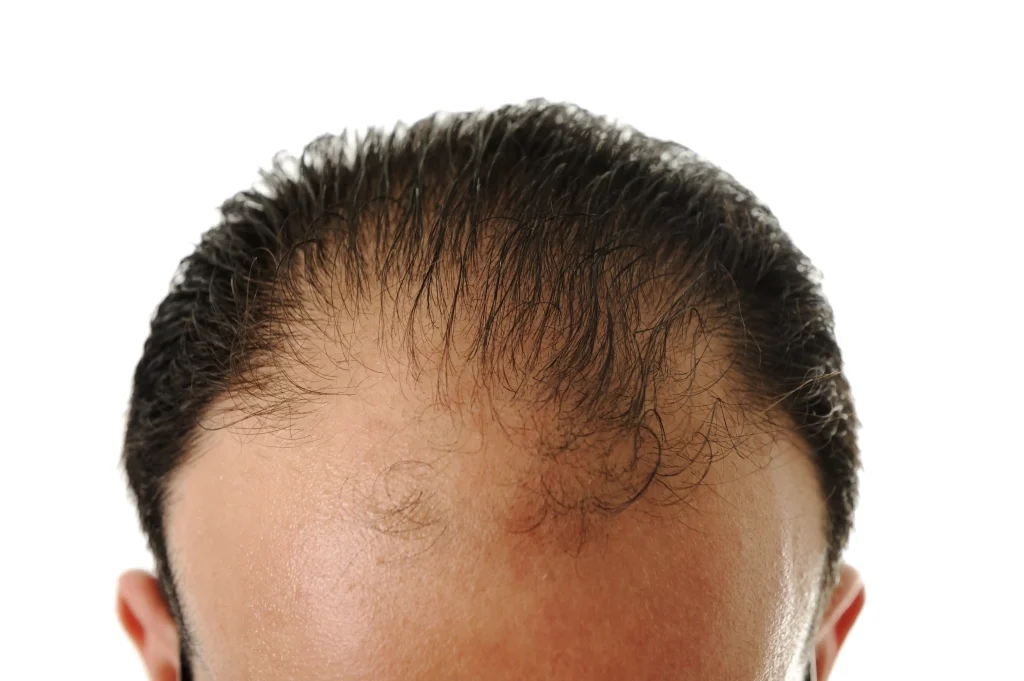
If you’ve started looking into options for hair loss, you’ve probably come across minoxidil. It shows up on pharmacy shelves, in dermatologist offices, and in just about every hair loss conversation online. Knowing it exists and actually understanding what it does for you specifically are two very different things.
Minoxidil for hair loss has been studied for decades. It’s one of the few treatments with real clinical backing for both men and women. Still, it’s not a blanket answer. Knowing how minoxidil works, which form makes sense for your type of hair loss, and what realistic results look like will help you make a more confident decision.
What Is Minoxidil and How Does It Work?
Minoxidil started as an oral medication for high blood pressure. During clinical use, researchers noticed patients were growing hair in unexpected places. That observation eventually led to a topical formulation aimed specifically at the scalp, and one of the most-studied treatments for hair loss available today.
Topical minoxidil is FDA-approved for treating androgenetic alopecia, the most common form of hereditary hair loss in both men and women. The mechanism of action of minoxidil centers on vasodilation: minoxidil widens blood vessels in the scalp, improving circulation to the hair follicle. This extends the anagen (growth) phase of the hair cycle, keeping more hairs in active growth for longer.
A key part of how minoxidil promotes hair growth is through its conversion to its biologically active form. The metabolite of minoxidil called minoxidil sulfate is produced by the enzyme sulfotransferase in scalp tissue. People with higher concentrations of this enzyme tend to respond better, which is a significant reason why the effects of minoxidil vary between individuals even at the same dose.
Topical vs. Oral Minoxidil: Side-by-Side
Both forms address hair loss, but they work differently in practice.
| Scalp Micropigmentation (SMP) | Traditional Tattoo |
|---|---|
| Applied directly to the scalp | Taken as a daily pill |
| Available over the counter (2% and 5%) | Requires a prescription |
| Local effects on treated area only | Systemic – reaches all follicles via bloodstream |
| May cause scalp dryness or irritation | May cause fluid retention or body hair growth |
| Well-established long-term data | Growing evidence base; used off label for hair loss |
| Once or twice daily topical application | Usually once daily at low dose |
Topical Minoxidil: The Established Option
The topical minoxidil solution is what most people picture when they hear the name. Applied once or twice daily directly to the scalp, topical application targets the area of loss locally. Topical minoxidil 5% is the standard strength for men. The 2% topical solution was historically more common for women, though the 5% foam is now widely used by women as well.
The main limitation: it works only where you apply it, and covering larger scalp regions evenly takes discipline. Consistency with daily topical application matters a lot.
Low-Dose Oral Minoxidil: The Growing Option
Low-dose oral minoxidil for hair loss has gained significant attention. Rather than topical application, oral administration delivers minoxidil through the bloodstream, meaning it reaches all hair follicles at once, not just where a product was applied.
Some clinical data suggests oral minoxidil may produce results comparable, and in some measures, superior to topical minoxidil, particularly in global hair coverage and total hair density.
That said, daily oral minoxidil is still used off-label for hair loss; it’s not FDA-approved specifically for that indication. Starting oral minoxidil should always involve a licensed medical provider who reviews your medical history and monitors your response over time.
Does Minoxidil Work? What the Evidence Shows
Minoxidil does work for a meaningful percentage of people, especially those with androgenetic alopecia, also called male and female pattern hair loss. It’s one of the most-studied hair loss treatment options in dermatology, and results across clinical trials are consistent for people with still-active hair follicles in affected areas.
What minoxidil does well: it extends the anagen phase of the hair cycle, reducing hair shedding and helping follicles produce longer, thicker strands. Clinical studies have shown measurable improvements in hair length, hair count, hair diameter, and total hair density with consistent use. It can also help slow or reverse the miniaturization of the hair follicles, the process where follicles shrink over time and produce progressively finer terminal hair.
What minoxidil doesn’t do: it can’t regrow hair where follicles have fully stopped functioning. It’s most effective earlier in the hair loss process. And it requires ongoing use; stopping minoxidil therapy typically means the hair loss it was managing returns within a few months.
Timeline: How Long Before You See Results?
Most people using minoxidil notice early signs of reduced hair shedding and initial hair regrowth around the three- to four-month mark. Meaningful improvements in hair length, hair counts, and overall density are usually visible between six and twelve months of consistent use.
One thing worth knowing upfront: some people notice a temporary increase in hair shedding shortly after starting minoxidil. This is a recognized phase of the hair cycle shift, follicles transition out of the resting phase into active growth, which can push existing hairs out first. It’s usually short-lived and not a sign that the treatment isn’t working.
Minoxidil Side Effects: What to Know Before You Start
Minoxidil is generally well-tolerated, but side effects do exist and differ between topical and oral forms. Knowing what to expect upfront helps you make a more informed decision.
Common Side Effects of Topical Minoxidil
The common side effects of topical minoxidil are mostly local. Scalp dryness, irritation, or flaking are the most frequently reported. Older minoxidil solutions containing propylene glycol sometimes triggered contact dermatitis; the foam formulation has largely addressed that. Some women using topical minoxidil also notice unwanted facial hair growth near application areas.
Adverse Effects of Oral Minoxidil
Minoxidil side effects from oral use are different because they’re systemic. The most common adverse effect of low-dose oral minoxidil is excessive hair growth on the body (hypertrichosis), the medication reaches follicles everywhere. Some people also experience headache, fluid retention in the hands and feet or a generalized increase in overall weight, a slightly faster heart rate, or feeling dizzy/lightheaded with a decrease in blood pressure when starting oral minoxidil therapy.
These effects are less common at very low doses and often stabilize over time. Working with a licensed provider who monitors your response to low-dose oral minoxidil for hair matters, particularly if you have any cardiovascular history. Minoxidil may be a great tool, but it works best under proper medical guidance.
Combining Minoxidil With Other Hair Loss Treatments
Minoxidil alone rarely delivers the best long-term outcomes. Most people who see strong, sustained results use it alongside treatments that address the underlying cause of their hair loss — not just the symptoms.
Finasteride and Minoxidil
Finasteride and minoxidil are often paired for male-pattern hair loss. Finasteride blocks DHT production, the hormone that drives the miniaturization of the hair follicles over time. Minoxidil targets the hair follicle growth cycle directly. Together, they combat hair loss from two different angles.
Minoxidil and Spironolactone
Minoxidil and spironolactone is a well-established combination for women dealing with hormonal hair loss. Spironolactone blocks androgen receptors that drive hormone-related thinning. Paired with minoxidil to stimulate hair growth at the follicle level, this combination targets both the cause and the cycle of female pattern hair loss. It’s frequently used in custom compounded prescriptions for women.
Minoxidil After a Hair Transplant
Some providers recommend continuing minoxidil treatment after a hair transplant to protect non-transplanted hair and help preserve overall results. This isn’t universal, but it’s a conversation worth having with your surgical team if you’re managing ongoing hereditary hair loss alongside recovery.
Is Minoxidil Right for Your Type of Hair Loss?
Minoxidil has the strongest evidence base for androgenetic alopecia, male and female pattern hereditary hair loss. It’s less effective for hair disorders caused by autoimmune conditions like alopecia areata, acute stress-induced shedding, scarring alopecia, or nutritional deficiencies. For those types of hair loss, minoxidil may still play a supporting role, but addressing the underlying cause comes first.
Timing also matters. Minoxidil promotes hair regrowth most effectively when follicles are still active but underperforming. It has limited impact on areas where follicles have been dormant for a long time. That’s why getting a proper evaluation before choosing a form or a dose of minoxidil matters more than most people realize.
HairClub Solutions That May Include Minoxidil
For many people, the challenge with minoxidil isn’t whether it works in general; it’s whether it’s right for their specific biology, at the right dose, in the right form, paired with the right supporting treatments. HairClub offers a range of non-surgical and surgical1 solutions built around that exact problem.
HairClub RX: DNA-Personalized Hair Loss Treatment
HairClub RX is a comprehensive, science-driven program that starts with a cheek swab DNA6 test. The DNA sample is analyzed in a specialized lab to identify which active ingredients and delivery methods are likely to produce the best therapeutic response for a specific individual. Rather than a standard off-the-shelf regimen, the program uses genetic evidence to shape treatment.
As part of the HairClub RX program, a telehealth9 provider may prescribe minoxidil as one of the potential active ingredients in a customized, compounded prescription, alongside other clinically used options, including finasteride, dutasteride, spironolactone, tretinoin, and others. The specific dose of minoxidil and combination of supporting ingredients is reviewed and approved by a licensed telehealth provider based on DNA results and medical history. Compounded prescriptions through HairClub RX may contain up to 12 active ingredients matched to an individual’s biology, not a one-size-fits-all formula.
On top of the prescription, HairClub RX includes daily vegan supplements, sulfate-free and paraffin-free hair care products, in-center hair therapy sessions, and quarterly progress tracking with a HairClub Certified Hair Loss Specialist. The comprehensive program is built around the understanding that consistently effective treatment for hair loss usually requires more than one component working together.
Progress is measured at baseline and reassessed every quarter using a high-magnification hair and scalp analysis tool that tracks density, width, and scalp condition over time. Licensed telehealth providers review health history and may renew or adjust the prescription every three months based on how things are progressing.
Other HairClub Non-Surgical Options
Beyond HairClub RX, HairClub offers a range of non-surgical solutions for people at different stages of hair loss. The Xtrands+® hair system is a custom, non-surgical hair replacement option for those who want immediate coverage. HairClub SMP™ (scalp micropigmentation) is a non-surgical option that creates the appearance of hair density at the scalp level. A specialist can help determine which combination of solutions fits your goals, stage of loss, and lifestyle.
For those who are candidates for surgical intervention, hair transplantation is available through HairClub’s affiliate medical group. No hair transplant procedure is performed until a patient has been evaluated and accepted for treatment by a physician. Results may vary.
Frequently Asked Questions
How does minoxidil work to promote hair growth?
Minoxidil works by widening blood vessels in the scalp, improving blood flow to the hair follicles. This extends the anagen (growth) phase of the hair cycle, keeping more hairs actively growing for longer. The biologically active metabolite of minoxidil, minoxidil sulfate, plays the key role in hair follicle regeneration at the cellular level.
What's the difference between topical and oral minoxidil?
Topical minoxidil is applied to the scalp and works locally. Oral minoxidil is a daily pill that works systemically, reaching all follicles at once. Some studies suggest oral minoxidil in the treatment of androgenetic alopecia may be superior to topical minoxidil in certain measures of coverage and hair density. Both require consistency and medical guidance.
How long does minoxidil take to work?
Most people need three to six months before noticing visible changes in hair growth. Improvements in hair length, hair diameter, and total hair density are usually clearer at the six-to-twelve-month mark. Early hair shedding in the first few weeks is normal. Stopping minoxidil treatment will typically reverse any gains within a few months.
Can women use minoxidil for hair loss?
Topical minoxidil is FDA-approved for female pattern hair loss, and both the topical solution and foam are commonly used by women. Oral minoxidil is also prescribed for women, often alongside spironolactone for hormonal-driven loss. A provider can determine whether topical, oral, or a program like HairClub RX makes the most sense for your situation.
What are the common side effects of oral minoxidil?
The most frequently reported adverse effect of low-dose oral minoxidil is excessive hair growth on the body (hypertrichosis). Some people also experience headache, fluid retention in the hands and feet or a generalized weight gain, a slightly faster heart rate, or feeling dizzy/lightheaded with a decrease in blood pressure. These effects are less common at very low doses and often stabilize. Anyone with cardiovascular concerns should discuss this carefully with a medical provider before starting.
Is minoxidil enough on its own for hair loss?
For most people, minoxidil works best as part of a broader treatment plan. Combining it with treatments that address the root cause, such as DHT blockers for androgenetic alopecia or anti-androgens for hormonal hair disorders, typically produces better long-term outcomes. The right combination depends on your type of hair loss, which a specialist can help assess.
Getting to the Right Answer for Your Hair Loss
Minoxidil is genuinely effective for many people dealing with hair loss, particularly androgenetic alopecia. The evidence is solid, and both topical and oral options have meaningful clinical track records. Getting the most from it means using the right form, the right dose, and the right supporting treatments for your specific biology.
If you’ve been researching minoxidil and want to understand where it fits, a conversation with a hair loss specialist is the most useful next step. They can evaluate what’s happening with your hair and scalp, walk you through the full range of options, and help you build a plan that actually fits your goals.
Ready to go beyond guesswork?
Schedule your complimentary consultation today to have a specialist evaluate your hair and scalp, walk you through all available options, including personalized programs like HairClub RX, and help you figure out which path makes sense for your situation. No pressure. Just a real conversation about what’s possible.