
Key Takeaways:
- Scalp micropigmentation (SMP) uses tiny pigment deposits to decrease scalp visibility in thinning hair, which gives the impression of an overall fuller head.
- SMP is a cosmetic procedure; it doesn’t regrow hair, but it can significantly improve the visual appearance of thinning or missing hair.
- It works for a wide range of hair loss types, from pattern baldness to alopecia to thinning areas after a hair transplant.
- Results are long-lasting but not permanent; most people need a touch-up every few years depending on skin type and sun exposure.
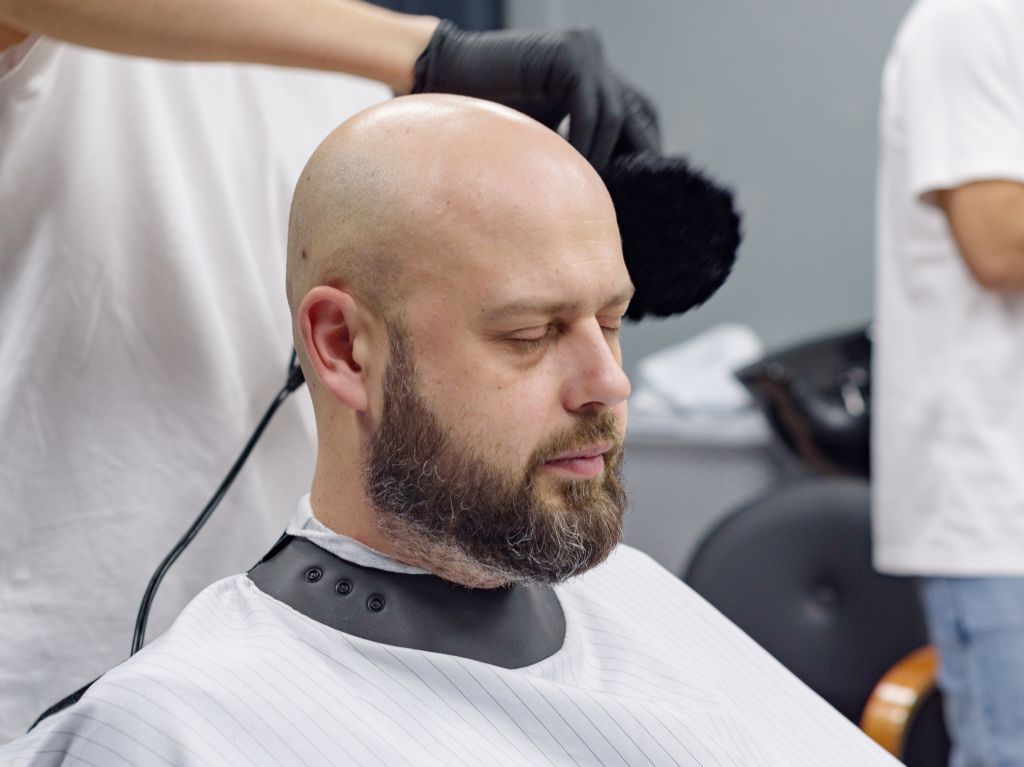
If you’ve been searching for a hair loss tattoo, you’ve probably come across the term scalp micropigmentation. It sounds technical, but the concept is straightforward: trained practitioners deposit tiny dots of pigment into the scalp to decrease scalp visibility. The result can range from a closely shaved head with uniform density to a fuller appearance across thinning areas, all without surgery.
SMP has grown considerably as a solution for hair loss over the past decade. Men and women with all types of hair loss have used it to change how they look and feel about their hair. It’s worth understanding clearly: what it is, what it isn’t, and whether it’s the right fit for your situation.
What Is Scalp Micropigmentation (SMP)?
Scalp micropigmentation is a cosmetic procedure that uses tattoo needles to deposit pigment into the upper layers of the scalp skin. The technique creates a pattern on the scalp made up of thousands of tiny dots, each one designed to give the appearance of a hair shaft at scalp level.
Unlike a traditional tattoo, which typically uses bold lines and deeper ink placement, SMP uses a much finer needle and a specialized pigment matched to your hair color. The goal is accuracy. A skilled SMP practitioner builds the pattern dot by dot, adjusting color, depth, and density to create natural-looking results that blend with your existing hair.
At its core, SMP is a cosmetic treatment designed to create the visual appearance of increased hair density by decreasing the amount of visible scalp, it is not a hair growth treatment option.
What Types of Hair Loss Can SMP Address
SMP is versatile. It’s used for multiple types of hair loss and different goals, which is part of why it’s become one of the more popular, non-surgical, hair loss treatment options available.
Pattern Baldness and a Receding Hairline
For a man experiencing hair loss from male pattern baldness, SMP can create the look of a closely cropped full scalp treatment, essentially giving the appearance of a freshly shaved head of hair with even density across the entire scalp.
Thinning Hair and Diffuse Loss
For people with thinning hair rather than full baldness, SMP takes a different approach. The practitioner places pigment between existing hair strands to add the appearance of denser hair and reduce the contrast between hair and scalp. This effectively adds visual density in thinning areas without changing or touching natural hair growth.
Alopecia and Bald Spots
Alopecia can cause patchy bald spots across the scalp, an unpredictable and often distressing pattern. SMP can fill in those patches with pigment that matches the surrounding hair, helping to conceal hair loss and create a more even appearance. For some people with alopecia, covering a full scalp is part of the plan. For others, targeted treatment of specific spots is enough.
After a Hair Transplant
Some people use SMP after hair transplant surgery to fill in lower-density areas, reinforce the hairline, or add the appearance of thicker hair around the transplant zone. When the two are combined thoughtfully, the results can look significantly more natural than either approach alone.
SMP vs. a Traditional Tattoo: What's Actually Different?
The question comes up often, and it makes sense. Both involve pigment and needles, but the similarities mostly stop there.
| Scalp Micropigmentation (SMP) | Traditional Tattoo | |
|---|---|---|
| Needle Depth | Upper dermis (shallow) | Deeper dermis layers |
| Pigment Type | SMP-specific; fades predictably | Standard tattoo ink; can shift color |
| Technique | Thousands of tiny dots | Lines, shading, fills |
| Goal | Mimic hair follicle appearance | Decorative art or imagery |
| Touch-Up Needs | Every 3–5 years typically | Varies; may be infrequent |
| Placement | Areas of the scalp only | Any body surface |
| Practitioner | SMP-trained specialist | Licensed tattoo artist |
The use of standard tattoo ink in place of SMP-specific pigment is one of the most common mistakes people encounter when choosing a provider. Regular ink can turn blue or green over time on the scalp, not the natural-looking result anyone wants. Proper scalp pigmentation uses pigments formulated to retain a neutral, hair-like tone as they mature.
What SMP Can and Cannot Do: Setting Realistic Expectations
The most important thing to understand upfront: SMP doesn’t stop hair loss. It’s a cosmetic procedure that changes how hair loss looks, not what’s causing it. If the underlying reason you’re losing hair, whether that’s genetics, hormones, or something else, isn’t being addressed separately, hair thinning will continue.
That said, SMP does several things very well:
- Creates a natural-looking appearance of a full head of hair when the scalp is shaved or very short
- Adds visual hair density to thinning areas without affecting natural hair
- Redefines a hairline with precision
- Covers scarring from prior hair transplant procedures
- Provides a low-maintenance solution that doesn’t require daily styling or product
What it doesn’t do: produce hair growth, stop the underlying cause of loss, or replace the density that comes from real hair when it’s grown out. SMP looks most natural at shorter lengths. If you want to wear your hair longer, other approaches may suit your goals better.
What to Expect From an SMP Treatment
Most SMP treatments happen across two to four sessions, spaced a week or more apart. Each session builds on the last; the first pass establishes the base pigment and a more diffuse arrangement of the pigmented dots to determine how each person’s scalp will react to the ink. Subsequent sessions deepen density and refine the look. The full scalp treatment typically takes three to five hours per session, depending on the extent of hair loss being addressed.
During the Sessions
Your SMP practitioner works across areas of the scalp systematically, using tiny dots of pigment placed individually to build the illusion of increased density by decreasing scalp visibility. The depth and angle of each dot matters, getting these right is what separates a result that looks like natural hair growth from one that looks flat or artificial.
Most people describe the sensation as mild discomfort, similar to light scratching. The scalp varies in sensitivity by location, so some areas feel more noticeable than others. Numbing products can be used for sensitive clients.
Recovery Time and Aftercare
Recovery time is minimal. Most people return to normal activity within a day or two. The scalp may appear slightly red or tender for 24 to 48 hours after each session. You’ll want to avoid washing the scalp, heavy sweating, and sun exposure for several days following treatment, as these can affect how the pigment settles.
Longevity and Touch-Ups
SMP is considered long-lasting but not permanent. Over time, typically three to five years, the pigment fades gradually. A touch-up session refreshes the color and density. How quickly fading occurs depends on skin type, sun exposure, and how deeply the pigment was placed. Protecting the scalp from prolonged sun exposure helps maintain natural-looking results longer
SMP Alongside Other Hair Loss Solutions
SMP works well on its own, but it also pairs effectively with other hair loss treatments depending on what someone is trying to achieve.
SMP and Hair Regrowth Programs
For people actively treating hair thinning with medications or regrowth programs, SMP can serve as a visual complement while the underlying treatment works. HairClub RX™, for example, is a DNA-driven hair loss program that uses personalized, compounded medications, daily supplements, and in-center hair therapy to address hair loss at the follicle level. Someone using HairClub RX to slow or reverse hair thinning may also use SMP to improve the visual appearance of the scalp in the meantime.
The two approaches aren’t mutually exclusive. A HairClub specialist can help you understand how SMP and a regrowth treatment plan might work together based on your specific hair loss situation.
SMP and Hair Replacement Systems
For some people, the goal isn’t a shaved look; it’s a fuller head of hair at any length. In those cases, a custom hair system may be a better fit, or a combination of both. A hair replacement system provides immediate volume and length, while SMP can reinforce the hairline and add density around the perimeter for a more natural-looking blend.
Frequently Asked Questions
Is scalp micropigmentation the same as a hair tattoo?
Who is a good candidate for SMP?
Does SMP look natural up close?
In skilled hands, yes. The key factors are matching the pigment to your natural hair color, placing dots at the correct depth and angle, and building the pattern to match natural hair growth direction. The benefits of hairline tattoo work are most visible when the technique accounts for the look of natural density — dots that are slightly varied in size and not perfectly uniform. A provider who treats every dot as identical will produce a less convincing result.
How long does scalp micropigmentation last?
Most SMP results hold their appearance for three to five years before a touch-up is needed. Fading is gradual and natural-looking, the pigment doesn’t suddenly disappear or change color dramatically if SMP-specific pigments were used. Sun exposure accelerates fading, so protecting the scalp with SPF when outdoors helps extend results.
Does SMP hurt?
Most people describe it as mild to moderate discomfort, not sharp pain. The scalp is more sensitive in some areas than others, particularly around the temples and the back of the head. Sessions typically last several hours, and practitioners can use numbing products for clients who prefer them.
Can SMP be combined with hair regrowth treatments?
Yes, and for many people it makes sense to do both. SMP addresses how your hair looks now. A treatment for hair loss like HairClub RX addresses what’s happening at the follicle level. They target different things and can complement each other. A free consultation at a HairClub center is a good starting point to understand which combination fits your hair loss pattern and goals.
Finding the Right Approach for Your Hair Loss
SMP is a proven cosmetic procedure with a real track record for helping people feel better about their hair. Whether you’re experiencing hair loss and want a clean, defined look, or you’re managing patchy thinning and want more visual density, scalp micropigmentation offers a low-maintenance, long-lasting option that doesn’t require surgery or recovery.
What SMP won’t do is address the underlying cause of hair loss. If that matters to you, and for many people it does, it’s worth talking to a specialist about regrowth options alongside SMP. You don’t have to choose just one approach.
Talk to a HairClub Hair Specialist
HairClub offers complimentary consultations with a Certified Hair Loss Specialist, who can determine your stage of hair loss and offer solutions that may include HairClub SMP™, HairClub RX, or a hair replacement system, and help you build a plan that fits your goals.