

Not all hair loss is the same—and neither is the treatment. Here’s your guide to see how they differ.
Key Takeaways:
- Alopecia is a broad term for hair loss of any kind. Baldness is one specific form of it.
- Androgenetic alopecia is the most common type affecting both men and women.
- Not all alopecia is genetic. Some types are autoimmune, stress-related, or caused by physical strain on the hair.
- The right treatment depends on the type and cause of your hair loss, not just how much hair you’ve lost.

Alopecia and baldness often get used interchangeably, but they don’t mean the same thing. And that distinction matters, because understanding which type of hair loss you’re dealing with is what points you toward the right treatment.
Alopecia is a broad term that covers all types of hair loss; from thinning hair along the crown, to patchy hair loss, to complete scalp or body hair loss. Baldness usually refers to one specific and very common form of alopecia: the hereditary type that follows a predictable pattern. Most people searching for answers are somewhere in this space, trying to figure out what’s normal, what’s treatable, and what to do next.
Alopecia Is a Broad Term. Baldness Is One Type.
The word alopecia comes from the Greek word for fox, a nod to the seasonal fur shedding foxes were observed doing. Today, it’s a clinical umbrella term used to describe any condition involving the loss of hair from the scalp or body. According to the American Academy of Dermatology, there are dozens of conditions that fall under this label.
Baldness, specifically androgenetic alopecia, is the most common type of hair loss in both men and women. It’s hereditary, hormone-driven, and follows predictable patterns over time. When most people picture balding, this is what they mean: a receding hairline in men, or a widening center part and generalized diffuse thinning hair in women.
But alopecia doesn’t stop there. Several other forms of alopecia look very different from pattern baldness and respond to different treatments. Knowing which category you’re in is the starting point for taking any useful action about it.
The Most Common Type: Androgenetic Alopecia (Pattern Hair Loss)
Androgenetic alopecia affects roughly 50 million men and 30 million women in the United States, according to the NIH National Library of Medicine. It’s driven by a combination of genetics and hormones, specifically dihydrotestosterone (DHT), which causes hair follicles to shrink over time until they stop producing hair.
Male Pattern Baldness
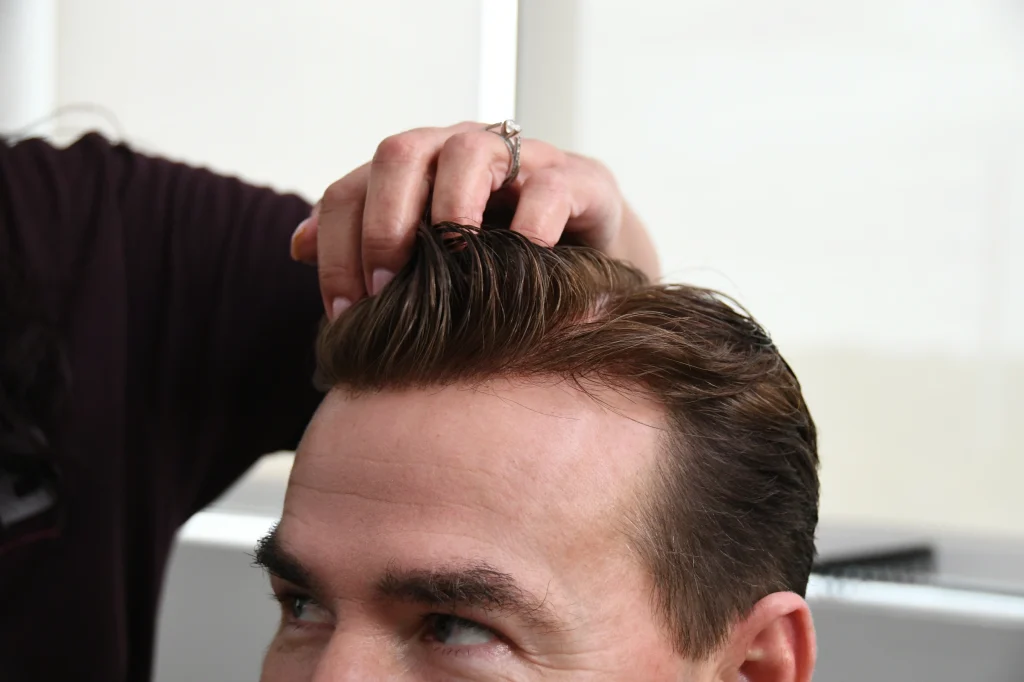
Male-pattern baldness, the most recognized form of androgenetic alopecia in men, typically starts with a receding hairline at the temples and thinning at the crown. Over time, these bald areas can merge into near-total baldness. By age 35, about two-thirds of American men will have some degree of hair loss, and by age 50, about 85% will have significantly thinning hair.
The pattern of hair loss in men follows the Norwood-Hamilton scale, which tracks progression from a slightly receding hairline to a large bald area. Genetics play the biggest role in how quickly and aggressively this happens. A family history of hair loss on either parent’s side increases your risk.
Female Pattern Hair Loss
Female pattern baldness is less talked about, but it’s far from rare. Female pattern hair loss affects roughly 30 million women in the U.S. alone. Women with androgenetic alopecia typically experience a widening of the center part and/or diffuse thinning across the top of the scalp rather than a receding hairline. Total baldness is uncommon in women with this condition, but the loss of volume and density can be significant.
Hormonal shifts play a strong role here, too. The drop in estrogen around menopause can accelerate hair thinning in women who are genetically predisposed. This is why many women first notice female pattern hair loss in their 40s and 50s, though it can start earlier.
Why U.S. Hair Transplant Expertise Wins
When weighing Turkey vs. USA, here’s what sets HairClub1 apart:
- Trusted hair restoration for 50 years with more than 100 centers nationwide.
- Board-certified hair transplant doctors and surgeons who specialize in the field of hair transplantation.
- Personalized treatment backed by microscopic imaging like to analyze your hair follicles and design a tailored plan.
- Options beyond surgery, including the HairClub Xtrands+® hair system, HairClub SMP™, and our Hair Loss Prevention and Regrowth program for a full spectrum of non-surgical solutions.
- Lifetime support for your hair transplant journey, from pre-op guidance to post-op maintenance and styling.
Unlike clinics in Turkey, HairClub does not rely on a “one-size-fits-all” model. We specialize exclusively in hair restoration, ensuring each client receives custom care. That means your procedure is performed in a hair transplant clinic where safety, confidentiality, and natural results are the standard, not the exception.
Comparing Hair Transplant Turkey vs. USA
If you compare options, it often comes down to cost and surgeon expertise. While Turkey often promotes a low cost of a hair transplant, the USA also offers unparalleled medical regulation, safety, and proven outcomes.
In the USA, hair transplants involve working with doctors who have the credentials that protect your health and results.
So, when it comes to USA vs. Turkey, here’s the truth: The USA may not always be the cheapest option, but it delivers natural-looking hair and lasting confidence. If you need assurance, you can visit a HairClub center near you instead of worrying about how to travel later for corrective work.
The Hidden Risks of Traveling to Turkey for Medical Procedures
Traveling to Turkey for a hair transplant operation might sound appealing, but it comes with risks. From communication barriers to lack of follow-up care, many international patients realize too late that they should have stayed local. Keep in mind: Turkey does not require the same stringent licensing and oversight for hair transplant surgeons as the U.S.
In fact, many who visited for medical procedures end up seeking corrective hair transplantation in the United States afterward.
Why HairClub is the Safer Choice
If you want a smooth, reliable path to thicker hair, discover why Turkey may not be your best option, and why the USA or Turkey decision is about more than just the cost of a hair transplant. HairClub offers:
- Hair transplant packages that specify the number of grafts designed to meet your unique needs, not generic all-inclusive packages.
- Access to the latest hair transplantation techniques like direct hair implantation, BioGraft®, FUT, and FUE.
- Support from hair transplant doctors who provide ongoing care, not just a one-time procedure.
- A network of centers that makes follow-up easy, no need to go to Turkey or rely on a local U.S. embassy or consulate for travel arrangements.
With HairClub, your journey is backed by a team dedicated to researching hair solutions, innovating new methods, and ensuring you walk away with results that look and feel like your own.
HairClub RX and Additional Hair Restoration Solutions
Hair restoration is not always limited to surgery. For people in earlier stages of thinning, those who are not ready for a hair transplant, or anyone looking to support long-term hair health, HairClub offers several personalized solutions.
HairClub RX is a DNA6-driven, personalized hair loss treatment program that starts with a cheek swab analysis. Based on your DNA profile and medical history, a licensed telehealth9 provider may recommend a customized treatment plan that can include compounded prescription ingredients, daily supplements, hair care products, in-center therapy, and progress tracking.
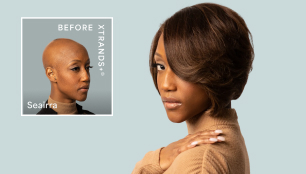
HairClub also offers non-surgical solutions such as Xtrands+, a hair system designed to add natural-looking volume and coverage, HairClub SMP™, a scalp micropigmentation solution that creates the appearance of fuller density, and Hair Loss Prevention and Regrowth programs designed to help support healthier-looking hair over time.
This full range of options allows HairClub specialists to recommend a solution based on your current hair loss stage, goals, lifestyle, and long-term needs.
Turkey vs. USA: Hair Transplant Comparison
Here’s a quick breakdown of what you can expect if you compare hair transplant options in Turkey and the USA:
| Factor | Hair Transplant in Turkey | Hair Transplant in USA (HairClub)** |
|---|---|---|
| Cost | Lower average cost, sometimes a fraction of the price (but hidden fees are possible) | Transparent pricing, flexible payment plans,tailored to your needs |
| Surgeon Expertise | Not all hair transplant doctors are board-certified; many rely on technicians | U.S. hair transplant surgeons are licensed |
| Safety & Oversight | Does not require the same level of regulation or safety standards | Clinics are regulated by strict U.S. medical boards and oversight |
| Follow-Up Care | Harder for international patients to return for follow-ups | U.S. follow-up and access to additional HairClub solutions across North America |
| Results | Results vary; some require corrective surgery in the U.S.1 | Consistent, natural-looking hair with high hair transplant success rates |
Turkey is often promoted as a destination for hair, but in reality, the U.S. offers stronger protections, regulated care, and the highest hair transplant success rates.
When deciding between the two, remember that your results last a lifetime, so should your confidence in your provider.
HairClub’s expertise can deliver trusted hair restoration, personalized care, and results that help you feel like yourself again.
If you’re researching hair transplantation and still asking “U.S. or Turkey – where should I go?” the answer is simple: choose the proven experts who have been restoring hair for nearly five decades.
Book your complimentary consultation today and start your personalized hair transplant1 journey with HairClub.
FAQs About Hair Transplant Turkey vs USA
Why is Turkey often promoted as a destination for hair transplantation?
It provides lower prices, and the clinics offer all-inclusive packages that attract international patients. However, these deals don’t always guarantee safety or quality results.
What makes HairClub different from hair transplant doctors in Turkey
With HairClub1, all procedures are performed by certified hair transplant doctors and surgeons with decades of experience. Many are also connected to organizations like the Society of Hair Restoration Surgery, ensuring expertise in every procedure.
How much does a hair transplant cost in the U.S. compared to Turkey?
The cost in Turkey might seem cheaper at first, but when you factor in travel, hidden fees, and risk of corrective work, the price of a hair transplant can quickly add up. In the U.S., the cost of the hair transplant includes regulated care, aftercare, and long-term support.
What if I have questions after surgery?
If you undergo surgery abroad, questions may be harder to address due to distance, language barriers, and lack of follow-up. With HairClub, you get support and easy access to your provider.
Is HairClub RX a hair transplant alternative?
HairClub RX may be an option for people who are experiencing thinning hair but may not be ready for a hair transplant. It is a personalized treatment program that uses DNA insights, medical history, and provider guidance to help create a customized plan for hair loss prevention and regrowth.
Why should I choose HairClub over traveling to Turkey for medical reasons?
When it comes to techniques, choosing HairClub1 means getting personalized options from FUE and FUT to BioGraft and direct hair implantation, without the risks associated with traveling overseas. Plus, you’ll have a team that truly specializes in hair restoration.
HairClub offers complimentary consultations where our Certified Hair Loss Specialists can determine your stage of hair loss and recommend a path forward for you. Book your consult today.