
Hair loss and depression are more connected than many people realize. Understanding the link can help you take steps toward improving both your emotional well-being and hair health.
Key Takeaways:
- Depression, anxiety, and chronic stress can affect the hair growth cycle and contribute to hair loss, including telogen effluvium, alopecia areata, and diffuse hair loss.
- Hair loss can also impact mental health, confidence, self-esteem, and overall quality of life, which is why the emotional side of hair loss should be taken seriously.
- Early treatment can help slow hair loss, support regrowth, and prevent further progression, especially when the cause is identified early.
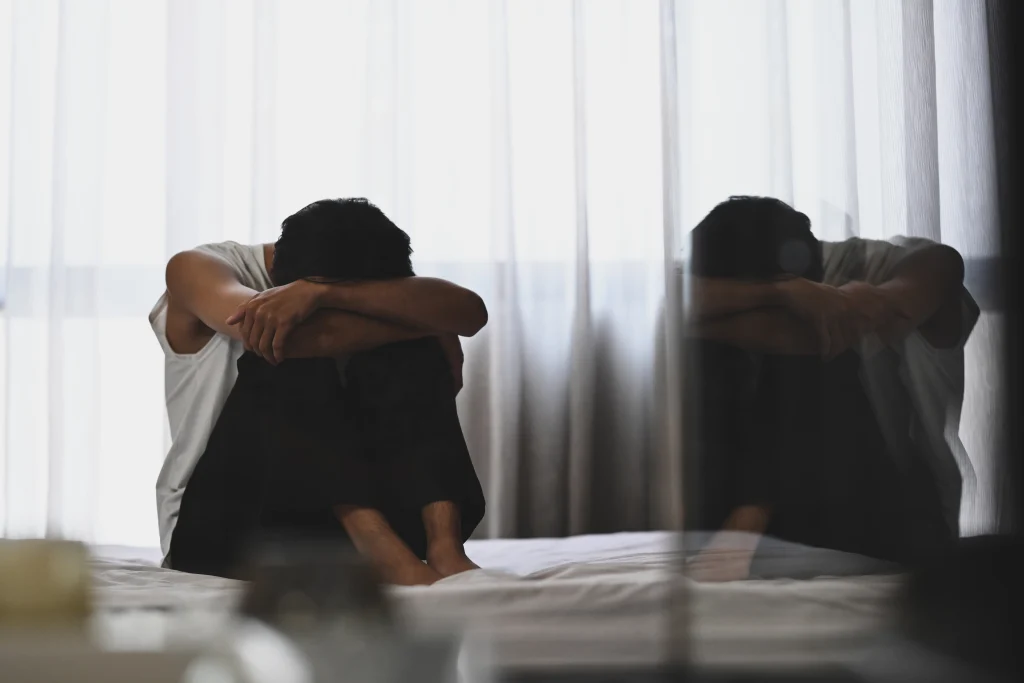
Depression and hair loss are closely linked. When your mind and body are under stress, both can show signs, inside and out. Many people with hair loss also report feelings of depression, emotional distress, or anxiety. This connection isn’t just emotional, it’s physical too.
In 2021, the National Institute of Mental Health reported that over 21 million adults in the U.S. experienced at least one major depressive episode. Along with sadness, depression symptoms can include fatigue, loss of interest, and even hair changes.
When the body faces chronic stress or anxiety and depression, stress hormones can disrupt the hair growth cycle. This can lead to several types of hair loss, including telogen effluvium, alopecia areata, and diffuse hair loss. Each type affects the hair follicles differently, but all can impact how you feel about yourself.
.
Available Treatment Options
Hair loss can be overwhelming, but there are proven treatment options that address both the cause of hair loss and its psychological effects. At HairClub, our hair health experts create personalized plans for every client, no matter the specific cause of hair loss.
EXT Prevention & Regrowth Program
This program is designed for those in the early stages of hair thinning or stress-related hair loss.
- How it works: The program combines FDA-approved laser therapy7, Minoxidil3, and scalp treatments that stimulate hair follicles and promote hair growth.
- Benefits: Helps regrow a full head of hair, supports healthy hair, and improves scalp condition.
- Ideal for: Clients noticing visible hair loss or increased hair shedding caused by stress hormones, depression, or high stress.
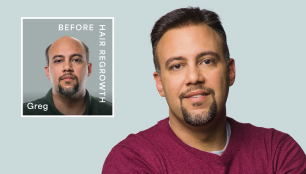
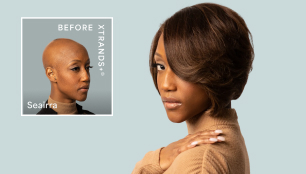
- Xtrands+® Non-Surgical Hair Replacement: For progressive hair loss or when regrowth isn’t possible, HairClub’s Xtrands+ hair system offers an instant transformation.
- How it works: Custom-made hair is integrated into your existing hair for natural movement and coverage.
- Benefits: Restores confidence quickly and helps reduce the psychological effects often associated with hair loss.
- Ideal for: Men with androgenetic alopecia, women with female pattern hair loss, or anyone who wants thicker, natural-looking hair fast.
HairClub RX™
HairClub RX is a personalized hair regrowth program that uses your own DNA to help a licensed telehealth9 provider create a compounded prescription based on your biology and medical history. Depending on your results, the treatment may include ingredients that support hair growth, target DHT activity, and help slow follicle miniaturization, along with supplements, scalp-supporting hair care, in-center therapy, and quarterly progress tracking.
It’s designed for people who want a more tailored approach to hair loss treatment, with complimentary consultations available at participating locations.
Why Treat Hair Loss Early
The burden of hair loss goes beyond appearance. The loss can cause deep psychological symptoms, affecting mood, confidence, and overall well-being. Left untreated, hair loss may worsen due to stress or depression, or due to appearance changes. The loss of quality of life can be significant.
Taking early action can help slow it, restore confidence, and reduce feelings of loss or emotional distress. Early treatments often yield better results and prevent further progressive hair loss.
When to Consider Alternatives
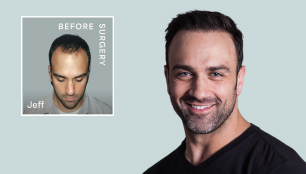
If you’ve already lost hair due to age-related hair loss or have androgenetic alopecia, surgical options may help.
For some clients, treating depression with a mental health professional is equally important. Addressing mental health and hair loss together can improve both emotional and physical recovery.
“Hair loss isn’t something to just brush off and tell individuals that they shouldn’t worry about it, that it’s just genetics and bad luck – hair loss and the mental health toll it can take on some individuals needs to be recognized, openly discussed, and talked about with real interest and validation,” said Dr. Phipps, a medical advisor to HairClub3. “Everyone, including health care providers, need to be cognizant of and take seriously the issue of depression and hair loss.”
Why Choose HairClub
HairClub has helpedclients with hair loss for 50 years. Our centers combine science, compassion, and technology to help clients look and feel like themselves again.
- HairMetrix®: State-of-the-art scalp imaging of your hair and scalp to see what is actually happening.
- Personalized Plans: Created for every stage, from stress-related hair loss to androgenetic alopecia.
- In-Person Support: HairClub is more than a solution; each center offers in-person support and guidance, so you are never alone in your hair loss journey.
- Proven Results: HairClub has helped over 500,000 individuals restore their hair health and confidence.
Frequently Asked Questions
Can depression cause hair loss?
Yes. Depression and anxiety can lead to hair loss due to stress hormones that affect the hair growth cycle. This is called stress-induced hair loss, and it’s common among those who experience depression.
What types of hair loss are linked to depression?
Telogen effluvium, alopecia areata, and trichotillomania are often associated with hair loss triggered by anxiety or depression. Each type of hair loss affects hair follicles differently.
Can hair loss make depression worse?
Yes. The psychological effects of hair loss can contribute to depression. Many people with hair loss report lower self-esteem and a reduced quality of life.
What’s the best way to treat hair loss linked to stress or depression?
Start with a free consultation. HairClub’s hair health experts can analyze your hair and scalp health and then recommend safe, effective solutions to restore hair growth and confidence.
When should I see a mental health professional?
If you’re experiencing hair loss alongside feelings of depression or other mental health conditions, it’s important to seek both emotional and physical care. A mental health professional can help address the psychological effects while your HairClub team offers solutions for your stage of hair loss.
Take Action Today
Don’t wait to get help. Hair loss often worsens over time, and early treatment delivers the best results.
Join the thousands who’ve trusted HairClub for support, confidence, and a path forward.
Book your complimentary consultation today at one of our 100+ centers across North America. Find out which solution fits your goals best.
Hair plays an important role in how you feel, and you deserve to feel good, inside and out.